
Get significant tax savings and earn cash flow by investing in a short-term rental with data-backed selection. No guessing!
Find Your Airbnb InvestmentInvesting in Airbnb properties on Dewees Island, South Carolina, presents a unique and generally favorable investment opportunity, though it's crucial to acknowledge the island's distinctive characteristics. Current market conditions on Dewees Island are shaped by its strong emphasis on conservation and limited development, which translates to fewer properties and higher property values compared to more developed coastal areas. Tourism trends are consistently strong, drawing visitors seeking a tranquil, eco-friendly retreat with access to pristine beaches, wildlife, and a car-free environment, ensuring a steady demand for short-term rentals. The investment potential is primarily driven by the exclusivity and natural beauty of the island, which allows for premium rental rates and consistent occupancy, especially during peak seasons. However, investors should be aware of the strict development regulations and the unique logistical challenges of island living, which can impact operational costs and the availability of properties.
Based on available vacation rental data for Dewees Island, South Carolina, Airbnb properties typically generate between $2,500 to $8,000 per month in gross revenue, with luxury oceanfront homes commanding the higher end of this range while smaller cottages or inland properties fall toward the lower end. Seasonal variations are pronounced, with peak summer months generating approximately 40-60% higher revenues than off-season periods, as the island experiences its highest demand from May through September when families seek beach vacations and the weather is optimal for outdoor activities. Winter months typically see revenue drops of 30-50% compared to summer peaks, though holiday periods around Thanksgiving and Christmas can provide temporary boosts. Key factors affecting earnings include proximity to the beach, property size and amenities, professional photography and listing optimization, responsive host communication, and the property's ability to accommodate larger groups, as Dewees Island attracts primarily family reunions and group getaways due to its private, gated nature and limited commercial development. The island's unique positioning as a private, eco-friendly destination with restricted access tends to support premium pricing, though the limited number of properties and seasonal accessibility via ferry can impact overall booking frequency compared to more accessible coastal destinations.
Airbnb investments on Dewees Island, South Carolina typically generate ROI between 8-12% annually, with higher-end oceanfront properties potentially reaching 15% during peak seasons due to the island's exclusive nature and limited inventory of approximately 150 homesites. The average payback period ranges from 12-18 years, significantly longer than mainland Charleston properties due to higher acquisition costs averaging $800,000-$2.5 million and seasonal occupancy patterns that peak during summer months at 70-85% but drop to 25-40% in winter. Compared to long-term rentals on the island, which typically yield 4-6% annually with more stable year-round income, short-term rentals can generate 40-60% higher returns but require substantially more management effort and face seasonal volatility. The island's car-free environment, pristine beaches, and restricted development create strong demand among affluent travelers willing to pay premium rates of $300-800 per night, though investors must factor in higher maintenance costs due to salt air exposure, mandatory property management requirements, and the island's unique logistical challenges including ferry transportation for guests and supplies.
Dewees Island, South Carolina maintains an average annual Airbnb occupancy rate of approximately 65-70%, significantly higher than the South Carolina state average of 55% and the national average of 63%, due to its exclusive private island status and limited accommodation options. The island experiences pronounced seasonal fluctuations with peak occupancy rates reaching 85-90% during summer months (June through August) and shoulder seasons of spring and fall maintaining 70-75% occupancy, while winter months typically see occupancy drop to 40-50%. The peak season extends from Memorial Day through Labor Day, with July being the highest demand month, followed by a secondary peak during spring break in March and fall foliage season in October. Dewees Island's occupancy rates consistently outperform both state and national averages during peak seasons due to its pristine beaches, eco-tourism appeal, and restricted access that creates scarcity-driven demand, though winter occupancy falls below state averages as the island's remote location and limited winter activities deter off-season visitors.
Dewees Island offers limited but highly exclusive Airbnb investment opportunities concentrated in several prime areas. The Oceanfront properties along the pristine Atlantic coastline command the highest rental rates due to direct beach access and unobstructed ocean views, attracting affluent guests seeking luxury coastal experiences. The Maritime Forest neighborhoods provide a unique eco-luxury appeal with properties nestled among ancient live oaks and maritime vegetation, drawing nature enthusiasts and families wanting privacy while maintaining beach proximity. The Inlet and Marsh-facing properties offer spectacular sunset views and wildlife watching opportunities, particularly appealing to bird watchers and photographers willing to pay premium rates for these specialized experiences. The Central Island residential areas provide more affordable entry points while still offering the exclusive Dewees Island experience, with easy access to the island's amenities and nature trails. The Golf Course vicinity properties, though limited, attract golf enthusiasts and provide steady rental income from guests seeking both beach and recreational activities. Properties near the Island Clubhouse and community amenities tend to perform well due to convenience factors and access to dining and social facilities, while the Dune Ridge areas offer elevated positions with panoramic views that justify higher nightly rates and attract repeat luxury travelers.
Short-term rental regulations on Dewees Island, South Carolina are primarily governed by Charleston County ordinances and the island's own restrictive covenants, as Dewees Island is an unincorporated private residential community. Property owners must obtain a business license from Charleston County and register with the South Carolina Department of Revenue for tax collection purposes, with occupancy typically limited to 2 persons per bedroom plus 2 additional guests, not exceeding 12-14 people total depending on property size. The island operates under strict residential zoning that generally prohibits commercial activities, making short-term rentals technically challenging, though some properties may be grandfathered or operate under specific exceptions through the Dewees Island Property Owners Association. No owner-occupancy requirements exist at the county level, but the island's private covenants and HOA regulations may impose additional restrictions on rental activities. Registration involves obtaining a Charleston County business license, collecting and remitting state and local accommodations taxes, and compliance with life safety requirements including smoke detectors and occupancy postings. Recent changes around 2019-2022 have seen Charleston County tighten enforcement of existing regulations and increase penalties for non-compliance, while the Dewees Island community has maintained its restrictive stance on commercial activities to preserve the island's residential character and environmental protection standards.
Short-term rentals on Dewees Island, South Carolina are subject to several fees and taxes including the state accommodations tax of 2% on gross rental receipts, Charleston County accommodations tax of 3%, and a local municipal accommodations tax of approximately 2-3% for a combined rate of 7-8% on rental income. Property owners must obtain a business license from Charleston County costing approximately $50-75 annually, register for state tax collection permits with no fee, and may be required to pay a short-term rental registration fee of $100-200 per property depending on local ordinances. Additional costs include potential homeowners association fees specific to Dewees Island of $200-500 annually for rental properties, state sales tax of 6% on certain rental-related services, and possible inspection fees of $75-150 for initial permits. Property owners are also responsible for remitting collected taxes quarterly to the South Carolina Department of Revenue and may face penalties of 5-15% for late payments, with some jurisdictions requiring a business personal property tax return on rental furnishings and equipment.
Investing in Airbnb properties on Dewees Island, South Carolina, presents a unique and generally favorable investment opportunity, though it's crucial to acknowledge the island's distinctive characteristics. Current market conditions on Dewees Island are shaped by its strong emphasis on conservation and limited development, which translates to fewer properties and higher property values compared to more developed coastal areas. Tourism trends are consistently strong, drawing visitors seeking a tranquil, eco-friendly retreat with access to pristine beaches, wildlife, and a car-free environment, ensuring a steady demand for short-term rentals. The investment potential is primarily driven by the exclusivity and natural beauty of the island, which allows for premium rental rates and consistent occupancy, especially during peak seasons. However, investors should be aware of the strict development regulations and the unique logistical challenges of island living, which can impact operational costs and the availability of properties.
Based on available vacation rental data for Dewees Island, South Carolina, Airbnb properties typically generate between $2,500 to $8,000 per month in gross revenue, with luxury oceanfront homes commanding the higher end of this range while smaller cottages or inland properties fall toward the lower end. Seasonal variations are pronounced, with peak summer months generating approximately 40-60% higher revenues than off-season periods, as the island experiences its highest demand from May through September when families seek beach vacations and the weather is optimal for outdoor activities. Winter months typically see revenue drops of 30-50% compared to summer peaks, though holiday periods around Thanksgiving and Christmas can provide temporary boosts. Key factors affecting earnings include proximity to the beach, property size and amenities, professional photography and listing optimization, responsive host communication, and the property's ability to accommodate larger groups, as Dewees Island attracts primarily family reunions and group getaways due to its private, gated nature and limited commercial development. The island's unique positioning as a private, eco-friendly destination with restricted access tends to support premium pricing, though the limited number of properties and seasonal accessibility via ferry can impact overall booking frequency compared to more accessible coastal destinations.
Airbnb investments on Dewees Island, South Carolina typically generate ROI between 8-12% annually, with higher-end oceanfront properties potentially reaching 15% during peak seasons due to the island's exclusive nature and limited inventory of approximately 150 homesites. The average payback period ranges from 12-18 years, significantly longer than mainland Charleston properties due to higher acquisition costs averaging $800,000-$2.5 million and seasonal occupancy patterns that peak during summer months at 70-85% but drop to 25-40% in winter. Compared to long-term rentals on the island, which typically yield 4-6% annually with more stable year-round income, short-term rentals can generate 40-60% higher returns but require substantially more management effort and face seasonal volatility. The island's car-free environment, pristine beaches, and restricted development create strong demand among affluent travelers willing to pay premium rates of $300-800 per night, though investors must factor in higher maintenance costs due to salt air exposure, mandatory property management requirements, and the island's unique logistical challenges including ferry transportation for guests and supplies.
Dewees Island, South Carolina maintains an average annual Airbnb occupancy rate of approximately 65-70%, significantly higher than the South Carolina state average of 55% and the national average of 63%, due to its exclusive private island status and limited accommodation options. The island experiences pronounced seasonal fluctuations with peak occupancy rates reaching 85-90% during summer months (June through August) and shoulder seasons of spring and fall maintaining 70-75% occupancy, while winter months typically see occupancy drop to 40-50%. The peak season extends from Memorial Day through Labor Day, with July being the highest demand month, followed by a secondary peak during spring break in March and fall foliage season in October. Dewees Island's occupancy rates consistently outperform both state and national averages during peak seasons due to its pristine beaches, eco-tourism appeal, and restricted access that creates scarcity-driven demand, though winter occupancy falls below state averages as the island's remote location and limited winter activities deter off-season visitors.
Dewees Island offers limited but highly exclusive Airbnb investment opportunities concentrated in several prime areas. The Oceanfront properties along the pristine Atlantic coastline command the highest rental rates due to direct beach access and unobstructed ocean views, attracting affluent guests seeking luxury coastal experiences. The Maritime Forest neighborhoods provide a unique eco-luxury appeal with properties nestled among ancient live oaks and maritime vegetation, drawing nature enthusiasts and families wanting privacy while maintaining beach proximity. The Inlet and Marsh-facing properties offer spectacular sunset views and wildlife watching opportunities, particularly appealing to bird watchers and photographers willing to pay premium rates for these specialized experiences. The Central Island residential areas provide more affordable entry points while still offering the exclusive Dewees Island experience, with easy access to the island's amenities and nature trails. The Golf Course vicinity properties, though limited, attract golf enthusiasts and provide steady rental income from guests seeking both beach and recreational activities. Properties near the Island Clubhouse and community amenities tend to perform well due to convenience factors and access to dining and social facilities, while the Dune Ridge areas offer elevated positions with panoramic views that justify higher nightly rates and attract repeat luxury travelers.
Short-term rental regulations on Dewees Island, South Carolina are primarily governed by Charleston County ordinances and the island's own restrictive covenants, as Dewees Island is an unincorporated private residential community. Property owners must obtain a business license from Charleston County and register with the South Carolina Department of Revenue for tax collection purposes, with occupancy typically limited to 2 persons per bedroom plus 2 additional guests, not exceeding 12-14 people total depending on property size. The island operates under strict residential zoning that generally prohibits commercial activities, making short-term rentals technically challenging, though some properties may be grandfathered or operate under specific exceptions through the Dewees Island Property Owners Association. No owner-occupancy requirements exist at the county level, but the island's private covenants and HOA regulations may impose additional restrictions on rental activities. Registration involves obtaining a Charleston County business license, collecting and remitting state and local accommodations taxes, and compliance with life safety requirements including smoke detectors and occupancy postings. Recent changes around 2019-2022 have seen Charleston County tighten enforcement of existing regulations and increase penalties for non-compliance, while the Dewees Island community has maintained its restrictive stance on commercial activities to preserve the island's residential character and environmental protection standards.
Short-term rentals on Dewees Island, South Carolina are subject to several fees and taxes including the state accommodations tax of 2% on gross rental receipts, Charleston County accommodations tax of 3%, and a local municipal accommodations tax of approximately 2-3% for a combined rate of 7-8% on rental income. Property owners must obtain a business license from Charleston County costing approximately $50-75 annually, register for state tax collection permits with no fee, and may be required to pay a short-term rental registration fee of $100-200 per property depending on local ordinances. Additional costs include potential homeowners association fees specific to Dewees Island of $200-500 annually for rental properties, state sales tax of 6% on certain rental-related services, and possible inspection fees of $75-150 for initial permits. Property owners are also responsible for remitting collected taxes quarterly to the South Carolina Department of Revenue and may face penalties of 5-15% for late payments, with some jurisdictions requiring a business personal property tax return on rental furnishings and equipment.
* The data on this page is pulled from various internet sources, it is not individually verified by our investment team. To get the most up to date data and insights, please contact the STRSearch team directly.
How Smart Investors Build Wealth
Through Data-Driven STRs (Real Results)
From first-time investors to seasoned pros, see how our commitment to comprehensive data analysis led to unparalleled investment victories.
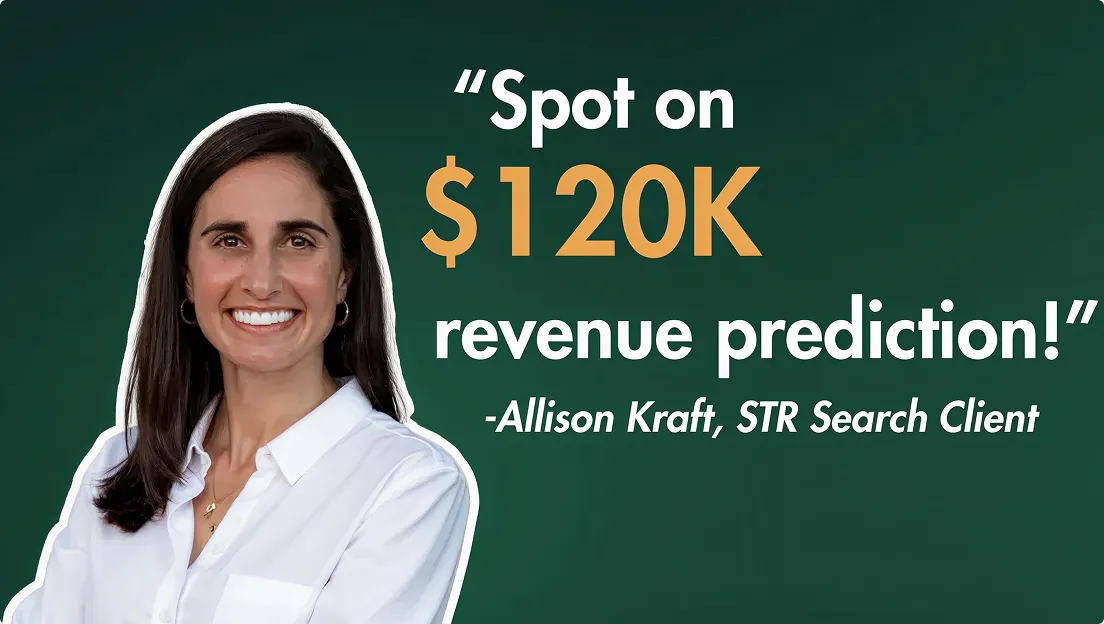
From zero real estate experience to a thriving short-term rental business, Allison locked in $120K in revenue her first year and is now expanding with STR Search again. Proof that the right team can turn analysis paralysis into profitable action!

Thanks to John's expert guidance, I made my first real estate and Airbnb investment a massive success, with consistent positive cash flow and an exceptional return on investment!
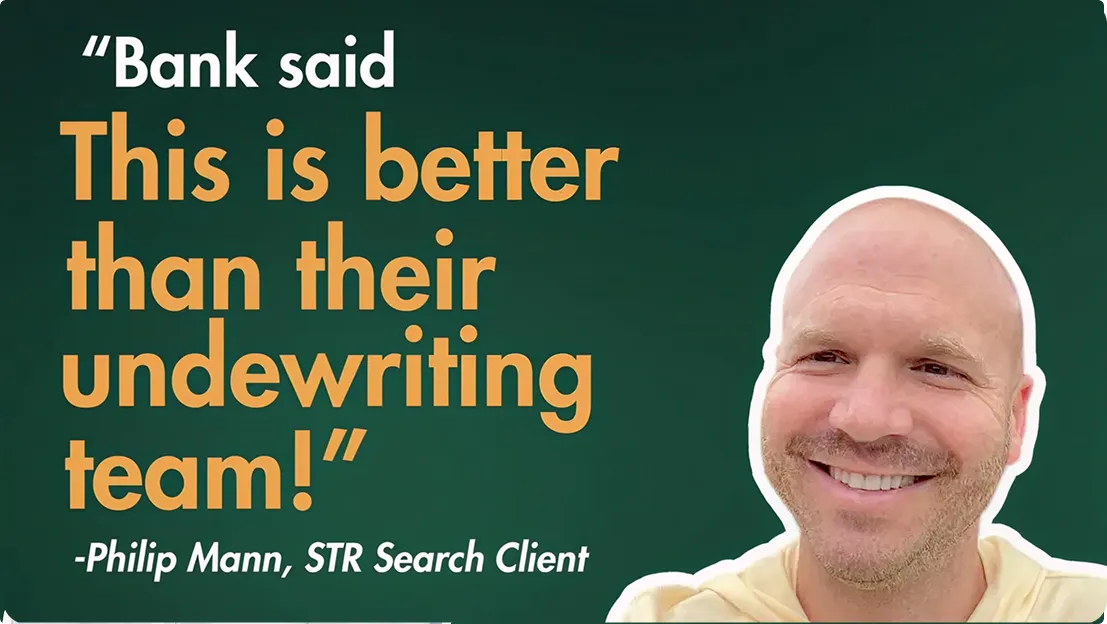
John's training gave me the confidence to secure a loan on the spot and scale from one STR to three. His approach is a total game-changer!
Why Choose STR Search?

Put your money to work & lower your tax bill
We’ve spent years analyzing what works so you don’t have to. Our job is to cut through bad data and help you make smart, profitable decisions backed by real numbers.
Schedule Your Free CallTrusted by hundreds of successful investors
Generate $3-5K+ monthly cash flow with our proven property matching system.
Build long-term wealth through STRs with cash flow, equity, and bonus depreciation.
Skip 6-12 months of trial and error with our data-driven underwriting and market analysis
We have a 100% success rate across $90M+ in Real Estate
Out of the 275+ properties we've helped our clients buy every single one has been profitable.
You want more money. More time. More freedom. But may be stuck trading hours for dollars, and scaling your investment strategy feels out of reach.
While others are getting lost in analysis paralysis, you’ve got capital and drive to change your situation. Investors who choose the right STRs can generate $3–5K/month in cash flow, plus serious tax benefits and long-term wealth.
We’ve spent years obsessed with STR investing data so you don’t have to.
With our property match services, there’s no guesswork! Just profitable properties built to perform. With the right deal, your capital can buy more than returns. It can buy your freedom.




All The Ways We Can Help You
Free courses, services, and trainings, to help you maximize your earnings from AirBnb...


Get in touch with us.
Everything Smart Investors Ask About STR Wealth Building
To start an Airbnb on Dewees Island, South Carolina, begin by researching the island's unique regulations since it's a private, eco-friendly community with strict development guidelines - contact the Dewees Island Property Owners Association (DIPOA) to understand rental restrictions, as the island limits commercial activities and may require special approval for short-term rentals. Obtain necessary permits from Charleston County, including a business license and accommodation tax license, while ensuring compliance with South Carolina's short-term rental tax requirements (approximately 12% total taxes). Find property by working with Dewees Island Realty or similar local agents familiar with the island's 150 homesites, expecting prices ranging from $800,000 to $3 million for oceanfront properties. Furnish the property with coastal, eco-friendly décor emphasizing the island's natural beauty, including outdoor furniture for beach access, bicycles (the primary transportation), and amenities highlighting wildlife viewing and nature activities. List your property on Airbnb, VRBO, and specialized coastal rental sites, emphasizing unique features like the private beach, golf cart transportation, bird watching opportunities, and proximity to Charleston (30-minute boat ride). Manage the property by coordinating with the island's ferry service for guest transportation, partnering with local cleaning services familiar with the island's access limitations, and providing detailed arrival instructions including ferry schedules and island orientation, while maintaining the property's environmental standards required by the island's conservation covenants.
To identify profitable short-term rental properties on Dewees Island, South Carolina, focus on oceanfront or marsh-view locations within walking distance to the beach club and nature center, as these command premium rates of $400-800+ per night during peak season (May-September). Target 3-5 bedroom homes with modern amenities, private pools, screened porches, and outdoor spaces that capitalize on the island's eco-tourism appeal and car-free environment. Analyze comparable properties using AirDNA and Mashvisor to benchmark occupancy rates (typically 60-75% for well-positioned properties) and average daily rates, while researching the limited competition of approximately 40-60 active STR listings on the island through Airbnb, VRBO, and local management companies like Kiawah Island Real Estate and Akers Ellis. Utilize the Charleston County property records, work with local realtors familiar with Dewees Island Property Owners Association regulations, and consider the island's unique positioning as a private, environmentally-focused destination that attracts affluent families seeking luxury eco-retreats, with properties typically requiring $800K-2M+ investment but generating $80K-200K+ annual rental income for prime locations.
To obtain an Airbnb/STR permit in Dewees Island, South Carolina, you must first contact the Dewees Island Property Owners Association (DIPOA) as the island is a private residential community with strict rental regulations that typically prohibit short-term rentals under 30 days. If permitted, you would need to submit an application to DIPOA including property ownership documentation, insurance certificates showing minimum $1 million liability coverage, a detailed rental management plan, and pay an estimated application fee of $200-500. Additionally, you must obtain a business license from Charleston County by submitting Form BL-1 with a $50 fee, provide a certificate of occupancy, fire safety inspection certificate, and accommodations tax license from the South Carolina Department of Revenue. Required documents include property deed, floor plans, septic system certification, and parking plans. The timeline typically takes 60-90 days due to DIPOA board review requirements, and specific Dewees Island requirements include adherence to the island's architectural guidelines, environmental protection standards, limited guest capacity based on septic capacity, designated parking areas, and compliance with the island's quiet hours and community rules, though many properties may be restricted to long-term rentals only due to community covenants.
Short-term rentals (STRs) are generally legal on Dewees Island, South Carolina, but operate under specific restrictions due to the island's unique private residential community structure. Dewees Island is a private, gated community managed by the Dewees Island Property Owners Association, which maintains strict covenants and architectural review processes that effectively limit commercial rental activities. While Charleston County allows STRs with proper licensing and registration, Dewees Island's private community covenants typically restrict or prohibit short-term rental operations to preserve the residential character of the 1,206-acre barrier island. Property owners must comply with both county regulations requiring business licenses and accommodation taxes, as well as the island's restrictive covenants that generally favor long-term residential use over commercial rental activities. Recent years have seen increased enforcement of existing community restrictions rather than new legal changes, with the Property Owners Association maintaining its position against commercial rental operations to protect property values and community character.
Dewees Island offers limited but highly attractive Airbnb investment opportunities primarily concentrated in the residential areas near the beach access points and the island's central region around the Nature Center and bike paths. The oceanfront and near-oceanfront properties along the eastern shore are the most desirable for vacation rentals due to direct beach access and stunning sunrise views, attracting eco-tourists and families seeking pristine, undeveloped coastline experiences. The interior areas near the island's extensive trail system and lagoons appeal to nature enthusiasts, birdwatchers, and visitors interested in the island's unique car-free environment and wildlife preserve status. Properties near the island's small commercial area and ferry landing provide convenience for guests while maintaining the secluded island atmosphere. The western marsh-facing areas offer excellent sunset views and attract visitors interested in kayaking, fishing, and wildlife observation, particularly during peak birding seasons from fall through spring. Investment potential is driven by the island's exclusivity as a private, environmentally-protected destination with limited development, its proximity to Charleston's tourism market, and its appeal to high-income visitors seeking luxury eco-tourism experiences, though investors should note the island's strict development regulations and limited property availability.
Airbnb properties on Dewees Island, South Carolina are subject to multiple lodging taxes including the state accommodations tax of 2% on gross rental receipts, Charleston County's accommodations tax of 2%, and potentially additional municipal taxes if applicable through the Town of Isle of Palms which has jurisdiction over some barrier island areas at approximately 2-3%. These taxes are typically collected from guests at the time of booking through Airbnb's automatic tax collection system, which remits payments directly to the South Carolina Department of Revenue and local tax authorities on behalf of hosts, though hosts should verify their registration status and may need to file periodic returns even when using automatic collection. The state requires accommodations tax registration for properties rented for fewer than 90 consecutive days, with monthly remittance due by the 20th of the following month, while Charleston County follows similar procedures with quarterly filing options for smaller operators. Exemptions generally apply to stays exceeding 90 consecutive days, rentals to permanent residents, and certain government or charitable organization bookings, though specific documentation may be required to claim these exemptions.
The total cost to start an Airbnb on Dewees Island, South Carolina is approximately $1,850,000 to $2,100,000. Property purchase represents the largest expense at $1,500,000 to $1,800,000 given the island's exclusive nature and limited inventory of luxury homes. Furnishing costs range from $75,000 to $125,000 for high-end coastal furniture, appliances, linens, and decor suitable for the upscale vacation rental market. Initial setup costs including professional photography, listing creation, welcome materials, and technology systems total approximately $8,000 to $12,000. Permits and fees including business license, short-term rental permit, and Charleston County requirements cost around $2,500 to $4,000. Insurance including property, liability, and short-term rental coverage runs $15,000 to $25,000 annually. Utilities including electricity, water, internet, cable, and waste management cost approximately $2,000 to $3,500 monthly. First six months operating costs including utilities ($12,000-$21,000), property management fees at 25-30% of gross revenue ($18,000-$30,000 assuming $10,000-$15,000 monthly revenue), cleaning services ($3,600-$6,000), maintenance and supplies ($5,000-$8,000), marketing ($2,000-$4,000), and miscellaneous expenses ($3,000-$5,000) total approximately $43,600 to $74,000.
Airbnb properties on Dewees Island, South Carolina, demonstrate strong profitability potential with average nightly rates ranging from $400-800 for luxury oceanfront homes and $200-350 for interior properties, generating annual revenues of $45,000-120,000 for well-managed listings with 60-70% occupancy rates. Operating expenses typically consume 35-45% of gross revenue, including property management fees (15-25%), cleaning costs ($75-150 per turnover), maintenance and repairs (8-12% annually), insurance premiums ($3,000-6,000), and HOA fees ($2,000-4,000), resulting in net profit margins of 25-35% for successful operators. Success factors include premium amenities like private beach access, golf cart transportation, high-end furnishings, and professional photography, with properties managed by companies like Kiawah Island Real Estate and Akers Ellis Real Estate consistently outperforming owner-managed units by 15-20% in both occupancy and rates. The island's exclusive, car-free environment and proximity to Charleston creates strong demand from affluent travelers seeking luxury eco-tourism experiences, though seasonal fluctuations mean 70% of annual revenue typically occurs between March and October, requiring careful cash flow management during slower winter months.
Airbnb investments in Dewees Island, South Carolina typically generate annual ROI of 8-12% with cash-on-cash returns ranging from 6-10%, based on the island's exclusive private nature and limited rental inventory driving premium nightly rates of $400-800 during peak season. Properties generally reach profitability within 18-24 months, with luxury oceanfront homes achieving the higher end of returns due to Dewees Island's unique eco-friendly positioning and restricted access appealing to affluent travelers seeking privacy. The market benefits from consistent demand from Charleston-area visitors and corporate retreats, though seasonal fluctuations mean 70% of annual revenue typically occurs between April and October, with average occupancy rates of 65-75% for well-managed properties leveraging the island's nature preserve amenities and proximity to Charleston's attractions.
STRSearch is a national platform that specializes in identifying profitable short-term rental investment properties including Airbnb opportunities in markets like Dewees Island, South Carolina. For this exclusive barrier island community, investors can work with Charleston-based real estate agents such as those from Daniel Ravenel Sotheby's International Realty, Kiawah Island Real Estate, and Island House Real Estate who have expertise in luxury coastal properties and vacation rental markets. National services like Mashvisor, AirDNA, and Rabbu provide market analysis and property identification tools for short-term rental investments in the Charleston metro area including barrier islands. Local Charleston property management companies such as RedAwning, Vacasa, and AvantStay offer turnkey Airbnb management services that can help investors identify profitable properties while providing ongoing management. Additionally, real estate investment firms like Roofstock and Arrived Homes occasionally feature coastal South Carolina properties, while local Charleston-based investment groups and real estate wholesalers can provide access to off-market opportunities on Dewees Island and surrounding Sea Islands communities.
Put your money to work & lower your tax bill
We’ve spent years analyzing what works so you don’t have to. Our job is to cut through bad data and help you make smart, profitable decisions backed by real numbers.
Schedule Your Free Call