
Get significant tax savings and earn cash flow by investing in a short-term rental with data-backed selection. No guessing!
Find Your Airbnb InvestmentInvesting in Airbnb properties in Grand Rapids, Michigan, presents a favorable opportunity due to the city's growing tourism and robust economic development. Grand Rapids has seen consistent growth in visitor numbers, driven by its craft beer scene, vibrant arts and culture, and proximity to Lake Michigan. Current market conditions indicate steady appreciation in property values, making it an attractive option for real estate investment. While the market is becoming more competitive, the continuous influx of tourists and business travelers ensures a reliable demand for short-term rentals, offering solid investment potential for those who strategically choose properties and manage them efficiently.
Based on available market data, Airbnb hosts in Grand Rapids, Michigan typically earn between $1,200 to $3,500 per month, with entire homes averaging $2,100-$2,800 monthly while private rooms generate $800-$1,400 monthly. Seasonal variations show peak earnings during summer months and fall color season (June through October) when revenues can increase by 25-40% above winter averages, while January through March represent the lowest earning period with potential drops of 20-30%. Properties near downtown Grand Rapids, the medical mile, or popular attractions like the Grand River command premium rates of $85-$150 per night, while suburban locations typically range from $60-$110 nightly. Key factors affecting earnings include proximity to major employers and hospitals, property size and amenities, professional photography and listing optimization, responsive host communication, and local events such as ArtPrize which can temporarily boost rates by 50-100%. Occupancy rates generally range from 45-65% annually, with well-managed properties in prime locations achieving 70%+ occupancy, and hosts who actively manage pricing and maintain high guest ratings consistently outperform the market average by 15-25%.
Airbnb investments in Grand Rapids, Michigan typically generate ROI between 8-14% annually, with downtown and medical district properties achieving the higher end due to proximity to hospitals, universities, and business districts. The average payback period ranges from 7-12 years depending on property acquisition costs and renovation expenses, with well-located properties in neighborhoods like Heritage Hill or East Hills recovering investments faster. Compared to traditional long-term rentals in Grand Rapids that average 6-9% ROI, short-term rentals command premium nightly rates of $80-150 versus monthly rents of $1,200-1,800 for comparable properties, though Airbnb investments require higher management costs, cleaning fees, and vacancy buffers. Properties within walking distance of downtown attractions, Spectrum Health facilities, or Grand Valley State University's downtown campus consistently outperform suburban locations, with occupancy rates averaging 65-75% annually and seasonal peaks during summer months and medical conference periods driving the strongest returns.
Grand Rapids, Michigan Airbnb properties typically maintain an average occupancy rate of approximately 65-70% annually, with significant seasonal variations that peak during summer months (June-August) at 75-85% due to increased tourism, festivals like ArtPrize in September-October, and favorable weather conditions for exploring the city's craft beer scene and outdoor activities. Winter months (December-February) see occupancy rates drop to around 45-55% as tourism declines and business travel decreases during holiday periods. Spring and fall maintain moderate occupancy rates of 60-70%, with September experiencing a notable spike due to ArtPrize attracting visitors from across the region. Grand Rapids performs slightly above Michigan's statewide Airbnb average of 60-65% occupancy, benefiting from its status as the state's second-largest city and growing reputation as a cultural and business hub, though it falls below the national average of 70-75% occupancy rates seen in major metropolitan markets and established tourist destinations. The city's occupancy rates are supported by consistent business travel, medical tourism due to major healthcare facilities, and its emerging status as a craft beer destination, providing more stability compared to purely seasonal vacation markets elsewhere in Michigan.
The Heritage Hill neighborhood stands out as Grand Rapids' premier Airbnb investment area due to its historic Victorian architecture, walkability to downtown attractions, and appeal to cultural tourists seeking authentic experiences, commanding premium nightly rates of $120-180. Downtown Grand Rapids offers exceptional investment potential with its proximity to Van Andel Arena, DeVos Performance Hall, and the thriving brewery scene, attracting business travelers and event attendees willing to pay $100-160 per night for convenience. The Eastown district provides strong returns through its hip, artistic vibe that draws younger demographics, featuring vintage shops, craft breweries, and music venues, with typical rates of $80-130 nightly. Creston neighborhood offers excellent value with its emerging gentrification, proximity to downtown via the White Pine Trail, and lower property acquisition costs while still commanding $70-120 per night. The Medical Mile area presents consistent demand from medical professionals, patients' families, and conference attendees visiting the major hospitals and research facilities, supporting rates of $90-140 nightly. Wealthy Street corridor attracts investors due to its walkable restaurant and entertainment scene, appealing to food tourists and young professionals, with nightly rates ranging $85-135. Finally, the Bridge Street area near John Ball Zoo and Frederik Meijer Gardens captures family travelers and nature enthusiasts, offering seasonal demand spikes and rates of $90-150 per night.
Grand Rapids, Michigan requires short-term rental operators to obtain a business license and register their properties with the city, with permits costing approximately $50-100 annually and requiring renewal each year. Properties are limited to a maximum occupancy of two people per bedroom plus two additional guests, with a total cap typically not exceeding 10-12 people depending on the property size. The city does not mandate owner-occupancy requirements, allowing both hosted and non-hosted rentals, though some neighborhoods may have additional restrictions. Short-term rentals are permitted in most residential zoning districts including R-1, R-2, and R-3, but are prohibited in certain historic districts and may face restrictions in downtown areas. The registration process requires property owners to submit applications including proof of insurance, safety inspections, contact information for a local representative available 24/7, and compliance with fire safety codes. Recent changes implemented around 2022-2023 include stricter noise ordinances with fines up to $500 for violations, mandatory posting of house rules and emergency contact information, requirements for smoke and carbon monoxide detectors in all sleeping areas, and enhanced parking regulations limiting the number of vehicles per rental property to prevent neighborhood congestion.
Short-term rentals in Grand Rapids, Michigan are subject to several fees and taxes including a 6% state sales tax, a 5% state use tax on lodging, and Kent County's 5% accommodation tax, totaling approximately 16% in combined taxes on rental income. The city requires a short-term rental license with an annual fee of $150, plus a one-time registration fee of $50 for new operators. Property owners must also obtain a rental housing license costing $75 annually if the property is used for rental purposes more than 14 days per year. Additional costs include mandatory inspections at $100 per inspection (required every two years), and operators may need to pay business license fees ranging from $25-$100 depending on the business structure. Tourism promotion assessments may apply at 2-3% of gross rental receipts in certain districts, and operators are responsible for collecting and remitting the Michigan Sales Tax and Kent County accommodation taxes quarterly, with potential penalties of 25% plus interest for late payments.
Investing in Airbnb properties in Grand Rapids, Michigan, presents a favorable opportunity due to the city's growing tourism and robust economic development. Grand Rapids has seen consistent growth in visitor numbers, driven by its craft beer scene, vibrant arts and culture, and proximity to Lake Michigan. Current market conditions indicate steady appreciation in property values, making it an attractive option for real estate investment. While the market is becoming more competitive, the continuous influx of tourists and business travelers ensures a reliable demand for short-term rentals, offering solid investment potential for those who strategically choose properties and manage them efficiently.
Based on available market data, Airbnb hosts in Grand Rapids, Michigan typically earn between $1,200 to $3,500 per month, with entire homes averaging $2,100-$2,800 monthly while private rooms generate $800-$1,400 monthly. Seasonal variations show peak earnings during summer months and fall color season (June through October) when revenues can increase by 25-40% above winter averages, while January through March represent the lowest earning period with potential drops of 20-30%. Properties near downtown Grand Rapids, the medical mile, or popular attractions like the Grand River command premium rates of $85-$150 per night, while suburban locations typically range from $60-$110 nightly. Key factors affecting earnings include proximity to major employers and hospitals, property size and amenities, professional photography and listing optimization, responsive host communication, and local events such as ArtPrize which can temporarily boost rates by 50-100%. Occupancy rates generally range from 45-65% annually, with well-managed properties in prime locations achieving 70%+ occupancy, and hosts who actively manage pricing and maintain high guest ratings consistently outperform the market average by 15-25%.
Airbnb investments in Grand Rapids, Michigan typically generate ROI between 8-14% annually, with downtown and medical district properties achieving the higher end due to proximity to hospitals, universities, and business districts. The average payback period ranges from 7-12 years depending on property acquisition costs and renovation expenses, with well-located properties in neighborhoods like Heritage Hill or East Hills recovering investments faster. Compared to traditional long-term rentals in Grand Rapids that average 6-9% ROI, short-term rentals command premium nightly rates of $80-150 versus monthly rents of $1,200-1,800 for comparable properties, though Airbnb investments require higher management costs, cleaning fees, and vacancy buffers. Properties within walking distance of downtown attractions, Spectrum Health facilities, or Grand Valley State University's downtown campus consistently outperform suburban locations, with occupancy rates averaging 65-75% annually and seasonal peaks during summer months and medical conference periods driving the strongest returns.
Grand Rapids, Michigan Airbnb properties typically maintain an average occupancy rate of approximately 65-70% annually, with significant seasonal variations that peak during summer months (June-August) at 75-85% due to increased tourism, festivals like ArtPrize in September-October, and favorable weather conditions for exploring the city's craft beer scene and outdoor activities. Winter months (December-February) see occupancy rates drop to around 45-55% as tourism declines and business travel decreases during holiday periods. Spring and fall maintain moderate occupancy rates of 60-70%, with September experiencing a notable spike due to ArtPrize attracting visitors from across the region. Grand Rapids performs slightly above Michigan's statewide Airbnb average of 60-65% occupancy, benefiting from its status as the state's second-largest city and growing reputation as a cultural and business hub, though it falls below the national average of 70-75% occupancy rates seen in major metropolitan markets and established tourist destinations. The city's occupancy rates are supported by consistent business travel, medical tourism due to major healthcare facilities, and its emerging status as a craft beer destination, providing more stability compared to purely seasonal vacation markets elsewhere in Michigan.
The Heritage Hill neighborhood stands out as Grand Rapids' premier Airbnb investment area due to its historic Victorian architecture, walkability to downtown attractions, and appeal to cultural tourists seeking authentic experiences, commanding premium nightly rates of $120-180. Downtown Grand Rapids offers exceptional investment potential with its proximity to Van Andel Arena, DeVos Performance Hall, and the thriving brewery scene, attracting business travelers and event attendees willing to pay $100-160 per night for convenience. The Eastown district provides strong returns through its hip, artistic vibe that draws younger demographics, featuring vintage shops, craft breweries, and music venues, with typical rates of $80-130 nightly. Creston neighborhood offers excellent value with its emerging gentrification, proximity to downtown via the White Pine Trail, and lower property acquisition costs while still commanding $70-120 per night. The Medical Mile area presents consistent demand from medical professionals, patients' families, and conference attendees visiting the major hospitals and research facilities, supporting rates of $90-140 nightly. Wealthy Street corridor attracts investors due to its walkable restaurant and entertainment scene, appealing to food tourists and young professionals, with nightly rates ranging $85-135. Finally, the Bridge Street area near John Ball Zoo and Frederik Meijer Gardens captures family travelers and nature enthusiasts, offering seasonal demand spikes and rates of $90-150 per night.
Grand Rapids, Michigan requires short-term rental operators to obtain a business license and register their properties with the city, with permits costing approximately $50-100 annually and requiring renewal each year. Properties are limited to a maximum occupancy of two people per bedroom plus two additional guests, with a total cap typically not exceeding 10-12 people depending on the property size. The city does not mandate owner-occupancy requirements, allowing both hosted and non-hosted rentals, though some neighborhoods may have additional restrictions. Short-term rentals are permitted in most residential zoning districts including R-1, R-2, and R-3, but are prohibited in certain historic districts and may face restrictions in downtown areas. The registration process requires property owners to submit applications including proof of insurance, safety inspections, contact information for a local representative available 24/7, and compliance with fire safety codes. Recent changes implemented around 2022-2023 include stricter noise ordinances with fines up to $500 for violations, mandatory posting of house rules and emergency contact information, requirements for smoke and carbon monoxide detectors in all sleeping areas, and enhanced parking regulations limiting the number of vehicles per rental property to prevent neighborhood congestion.
Short-term rentals in Grand Rapids, Michigan are subject to several fees and taxes including a 6% state sales tax, a 5% state use tax on lodging, and Kent County's 5% accommodation tax, totaling approximately 16% in combined taxes on rental income. The city requires a short-term rental license with an annual fee of $150, plus a one-time registration fee of $50 for new operators. Property owners must also obtain a rental housing license costing $75 annually if the property is used for rental purposes more than 14 days per year. Additional costs include mandatory inspections at $100 per inspection (required every two years), and operators may need to pay business license fees ranging from $25-$100 depending on the business structure. Tourism promotion assessments may apply at 2-3% of gross rental receipts in certain districts, and operators are responsible for collecting and remitting the Michigan Sales Tax and Kent County accommodation taxes quarterly, with potential penalties of 25% plus interest for late payments.
* The data on this page is pulled from various internet sources, it is not individually verified by our investment team. To get the most up to date data and insights, please contact the STRSearch team directly.
How Smart Investors Build Wealth
Through Data-Driven STRs (Real Results)
From first-time investors to seasoned pros, see how our commitment to comprehensive data analysis led to unparalleled investment victories.
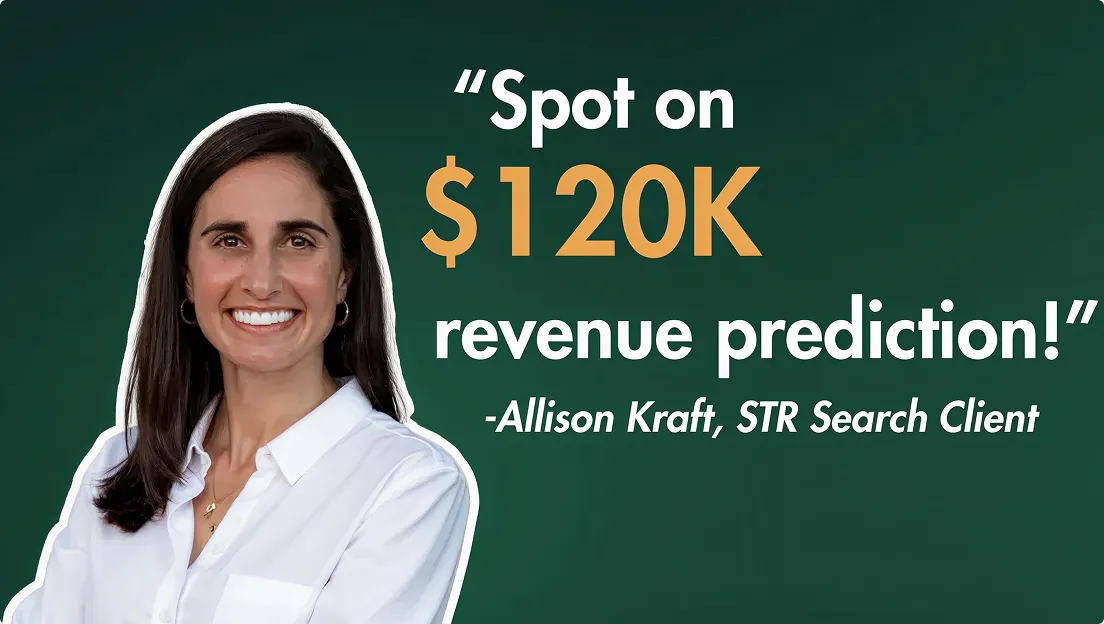
From zero real estate experience to a thriving short-term rental business, Allison locked in $120K in revenue her first year and is now expanding with STR Search again. Proof that the right team can turn analysis paralysis into profitable action!

Thanks to John's expert guidance, I made my first real estate and Airbnb investment a massive success, with consistent positive cash flow and an exceptional return on investment!

John's training gave me the confidence to secure a loan on the spot and scale from one STR to three. His approach is a total game-changer!
Why Choose STR Search?

Put your money to work & lower your tax bill
We’ve spent years analyzing what works so you don’t have to. Our job is to cut through bad data and help you make smart, profitable decisions backed by real numbers.
Schedule Your Free CallTrusted by hundreds of successful investors
Generate $3-5K+ monthly cash flow with our proven property matching system.
Build long-term wealth through STRs with cash flow, equity, and bonus depreciation.
Skip 6-12 months of trial and error with our data-driven underwriting and market analysis
We have a 100% success rate across $90M+ in Real Estate
Out of the 200+ properties we've helped our clients buy every single one has been profitable.
You want more money. More time. More freedom. But may be stuck trading hours for dollars, and scaling your investment strategy feels out of reach.
While others are getting lost in analysis paralysis, you’ve got capital and drive to change your situation. Investors who choose the right STRs can generate $3–5K/month in cash flow, plus serious tax benefits and long-term wealth.
We’ve spent years obsessed with STR investing data so you don’t have to.
With our property match services, there’s no guesswork! Just profitable properties built to perform. With the right deal, your capital can buy more than returns. It can buy your freedom.




All The Ways We Can Help You
Free courses, services, and trainings, to help you maximize your earnings from AirBnb...

Get in touch with us.
Everything Smart Investors Ask About STR Wealth Building
To start an Airbnb in Grand Rapids, Michigan, begin by researching local regulations as the city requires short-term rental operators to obtain a business license and comply with zoning ordinances that typically allow rentals in residential areas with restrictions on the number of guests and parking requirements. Contact the Grand Rapids Planning Department to verify your property's zoning allows short-term rentals and obtain necessary permits including a business license ($25-50 annually) and potentially a Certificate of Compliance for safety inspections. Find a suitable property in popular neighborhoods like Heritage Hill, Eastown, or downtown areas, ensuring it meets the city's requirements for off-street parking and maximum occupancy limits (usually 2 people per bedroom plus 2 additional). Furnish the space with quality basics including comfortable beds, linens, towels, kitchen essentials, WiFi, and local guidebooks, budgeting $3,000-8,000 for a one-bedroom unit. Create your Airbnb listing with professional photos, competitive pricing ($60-120/night depending on location and size), and highlight proximity to attractions like the Grand Rapids Art Museum or Founders Brewing. For ongoing management, establish cleaning protocols between guests ($30-60 per turnover), respond promptly to inquiries, maintain the property regularly, collect and remit Michigan's 6% sales tax plus Kent County's additional taxes, and consider using property management software or hiring local co-hosts if managing remotely, while staying compliant with Grand Rapids' noise ordinances and neighbor notification requirements.
To identify profitable short-term rental properties in Grand Rapids, Michigan, focus on locations within 2-3 miles of downtown attractions like the Grand Rapids Art Museum, Van Andel Arena, and the Medical Mile, as well as near Grand Valley State University and popular neighborhoods like Heritage Hill and Eastown. Target 2-4 bedroom properties built after 1950 with modern amenities, parking, and unique character features that photograph well, avoiding properties requiring major renovations. Conduct pricing analysis using AirDNA and Mashvisor to identify properties where potential STR revenue (typically $100-180/night for quality listings) exceeds traditional rental income by 30-40%, while factoring in Grand Rapids' seasonal tourism patterns with peak demand during summer festivals and ArtPrize in fall. Research competition by analyzing existing Airbnb and VRBO listings within a 1-mile radius, identifying gaps in amenities or property types, and ensure compliance with Grand Rapids' STR regulations which require registration and limit rentals in certain residential zones. Utilize tools like Rabbu, AirDNA, and local MLS data through Realcomp, while partnering with Grand Rapids-area real estate agents familiar with STR-friendly neighborhoods and connecting with local property management companies like Vacasa or RedAwning for operational insights.
To obtain an Airbnb/STR permit in Grand Rapids, Michigan, you must first register with the City of Grand Rapids Planning Department by submitting an application through their online portal or visiting City Hall at 300 Monroe Avenue NW. Required documents include a completed short-term rental registration form, proof of property ownership or lease agreement, floor plan of the rental unit, contact information for a local responsible party within 30 miles, proof of liability insurance (minimum $1 million), and a signed affidavit acknowledging compliance with city ordinances. The registration fee is approximately $150 annually, with additional inspection fees of around $100. Grand Rapids requires STRs to be owner-occupied or have an owner living within the same building for properties in residential zones, limits occupancy to 2 people per bedroom plus 2 additional guests, mandates parking spaces equal to the number of bedrooms, and requires properties to be at least 300 feet apart in certain residential districts. You must also obtain a Certificate of Compliance through the city's inspection process, register with the state for tax collection purposes, and renew your permit annually. The timeline typically takes 4-6 weeks from application submission to approval, provided all requirements are met and inspections pass. Contact the Planning Department at (616) 456-3210 for specific zoning questions and current fee schedules.
Short-term rentals (STRs) are legal in Grand Rapids, Michigan, but operate under specific regulations established by the city. As of 2023, Grand Rapids requires STR operators to obtain a business license and comply with zoning restrictions that limit short-term rentals primarily to commercial and mixed-use districts, while generally prohibiting them in single-family residential neighborhoods. The city implemented these regulations around 2019-2020 following community concerns about housing availability and neighborhood character. Properties must meet safety requirements including smoke detectors, carbon monoxide detectors, and fire extinguishers, and operators must provide contact information for a responsible party available 24/7. The city also requires STRs to comply with occupancy limits, parking requirements, and noise ordinances. Recent enforcement efforts have focused on ensuring compliance with licensing requirements and addressing unpermitted operations in prohibited residential zones. Grand Rapids continues to monitor the impact of STRs on housing stock and may adjust regulations as needed to balance tourism benefits with community housing needs.
The best Airbnb investment areas in Grand Rapids, Michigan include the Heritage Hill Historic District, which attracts tourists with its Victorian architecture and proximity to downtown attractions; the East Hills neighborhood, popular for its walkability to breweries like Founders and business districts; the Heartside Arts District, ideal for capturing visitors attending ArtPrize events and cultural activities; the Creston neighborhood, offering affordable investment opportunities while being close to the Grand River and outdoor activities; and the Eastown area, which appeals to younger travelers with its vibrant nightlife, local restaurants, and proximity to Calvin University. Heritage Hill commands premium rates due to its historic charm and tourist appeal, while East Hills benefits from the craft beer tourism boom that has made Grand Rapids the "Beer City USA." The Heartside district sees significant seasonal demand during ArtPrize in September-October, and Eastown offers year-round appeal to both leisure and business travelers visiting the medical mile and downtown business district.
In Grand Rapids, Michigan, Airbnb hosts are subject to multiple lodging taxes including the Michigan Sales Tax at 6%, the Kent County Accommodations Tax at 5%, and the Grand Rapids City Accommodations Tax at 6%, totaling approximately 17% in combined taxes on short-term rental bookings. The Michigan Sales Tax is collected by the state and remitted monthly through the Michigan Treasury Online system, while the Kent County tax is administered by the Kent County Treasurer's office with quarterly remittance requirements for properties renting for less than 30 consecutive days. The City of Grand Rapids requires hosts to register for a transient lodging license and collect the 6% city tax, which must be remitted monthly to the city's finance department by the 20th of the following month. Airbnb automatically collects and remits these taxes for most properties through their platform as of 2018, though hosts remain ultimately responsible for compliance and should verify collection with local authorities. Exemptions typically apply to stays exceeding 30 consecutive days, rentals to permanent residents, and certain government or charitable organization bookings, though specific exemption criteria may vary by jurisdiction and hosts should maintain detailed records of all transactions for audit purposes.
The total cost to start an Airbnb in Grand Rapids, Michigan is approximately $285,000-$325,000. Property purchase costs around $200,000-$230,000 based on median home prices in desirable neighborhoods like Heritage Hill or East Hills. Furnishing a 2-3 bedroom property requires $15,000-$25,000 for quality furniture, bedding, kitchen essentials, and decor to create an attractive rental space. Initial setup costs including professional photography, listing creation, welcome materials, and basic renovations total $3,000-$5,000. Permits and fees include a $150 short-term rental license from the city, $200 for business registration, and potential HOA approval fees of $100-$300. Insurance premiums for short-term rental coverage cost $2,000-$3,500 annually. Utility setup and deposits for electricity, gas, water, internet, and cable run $500-$800. First six months operating costs including utilities ($1,800), cleaning services ($2,400), maintenance reserves ($1,500), property management software ($300), and marketing ($500) total approximately $6,500. Additional considerations include potential property management fees of 15-25% if outsourced and emergency repair funds of $2,000-$5,000.
Airbnb properties in Grand Rapids, Michigan typically generate annual revenues between $15,000-$35,000 for entire homes and $8,000-$18,000 for private rooms, with average daily rates ranging from $75-$140 depending on location and property type. Operating expenses generally consume 40-60% of gross revenue, including cleaning fees ($25-$40 per turnover), utilities ($150-$300 monthly), property management (10-20% of revenue), insurance ($800-$1,500 annually), and maintenance costs ($2,000-$4,000 yearly). Properties near downtown Grand Rapids, the Medical Mile, or Grand Valley State University command premium rates, with successful hosts achieving 65-75% occupancy rates and net profit margins of 15-25% after all expenses. A typical three-bedroom home purchased for $180,000 in the Heritage Hill neighborhood generates approximately $28,000 in annual Airbnb revenue with $16,800 in total expenses, yielding an 11.2% cash-on-cash return when factoring in mortgage payments. Success factors include professional photography, rapid guest communication, strategic pricing using dynamic tools, proximity to attractions like the Grand Rapids Art Museum or Van Andel Arena, and maintaining superhost status through consistent 4.8+ star ratings, with the market showing steady growth since 2018 despite seasonal fluctuations during winter months.
Airbnb investments in Grand Rapids, Michigan typically generate annual ROI of 12-18% with cash-on-cash returns ranging from 8-15% depending on property location and management efficiency. Properties in downtown Grand Rapids near the medical mile and brewery district command higher nightly rates of $80-140, while suburban locations average $60-100 per night with occupancy rates of 65-75% annually. Initial profitability usually occurs within 8-14 months after accounting for startup costs, furniture, and marketing expenses. The Grand Rapids market benefits from medical tourism, business travelers visiting companies like Steelcase and Amway, and leisure visitors attracted to the craft beer scene and Lake Michigan proximity. Properties requiring $15,000-25,000 in initial investment for furnishing and improvements typically achieve break-even by month 10-12, with seasoned operators in prime locations seeing cash-on-cash returns approaching 20% by year two through optimized pricing strategies and repeat guest bookings.
STRSearch is a national platform that helps investors identify profitable short-term rental properties in Grand Rapids, Michigan, providing market analysis and property recommendations. Local real estate agents specializing in Airbnb investments include Keller Williams Grand Rapids agents who focus on investment properties, Coldwell Banker Schmidt Realtors with vacation rental specialists, and RE/MAX of Grand Rapids agents experienced in short-term rental markets. National services include Mashvisor for property analysis and market data, AirDNA for Airbnb market insights and revenue projections, Awning for turnkey Airbnb investment properties, Roofstock for rental property investments, and BiggerPockets for investor networking and education. Local property management companies that assist with Airbnb investments include RedAwning Grand Rapids, Vacasa Michigan, and local boutique firms like Grand Rapids Property Management and West Michigan Rental Management. Additional services include local contractors specializing in Airbnb renovations, interior designers familiar with short-term rental requirements, and accounting firms experienced with vacation rental tax implications in Kent County.
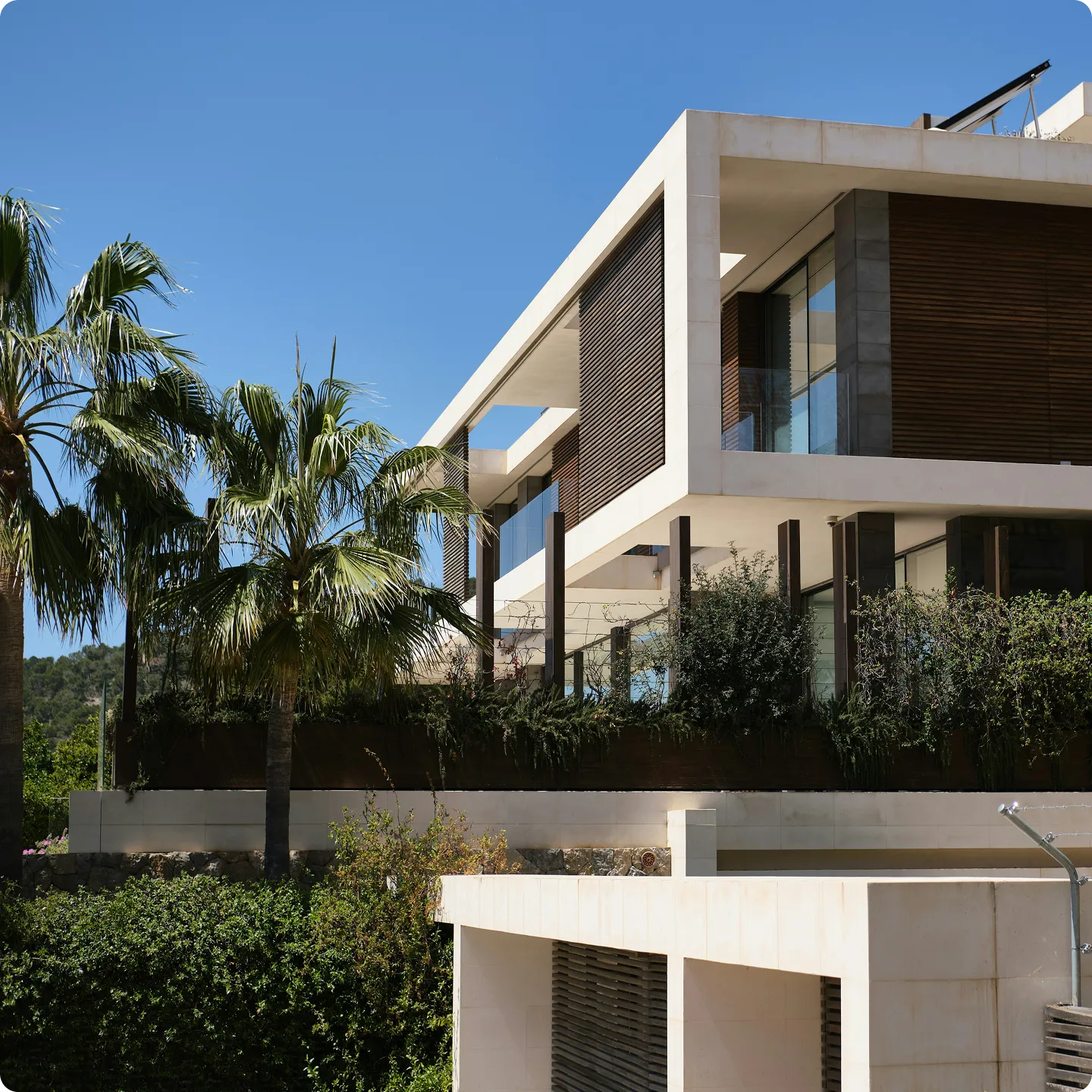
We match people with amazing properties
The Formula Works. Years of passionate data analysis have perfected our formula, making it a beacon of accuracy in real estate investments. Trust in precision that turns data into profit.
Schedule Your Free CallMaximize Your Returns with Smart Tax Strategies
Unlock the full potential of your short-term rental investments with our tailored tax strategy. We ensure your properties not only cash flow but also leverage tax benefits to boost your bottom line. Let us navigate the complexities, so you can enjoy the rewards.
Schedule Your Free Call

Short-Term Rentals are alive and well
No other company matches our expansive collection of properties or our unwavering success streak over the last two years. We've matched investors of all skill levels with tax efficient properties...
Schedule Your Free CallWe're Trusted By the Best in the Business
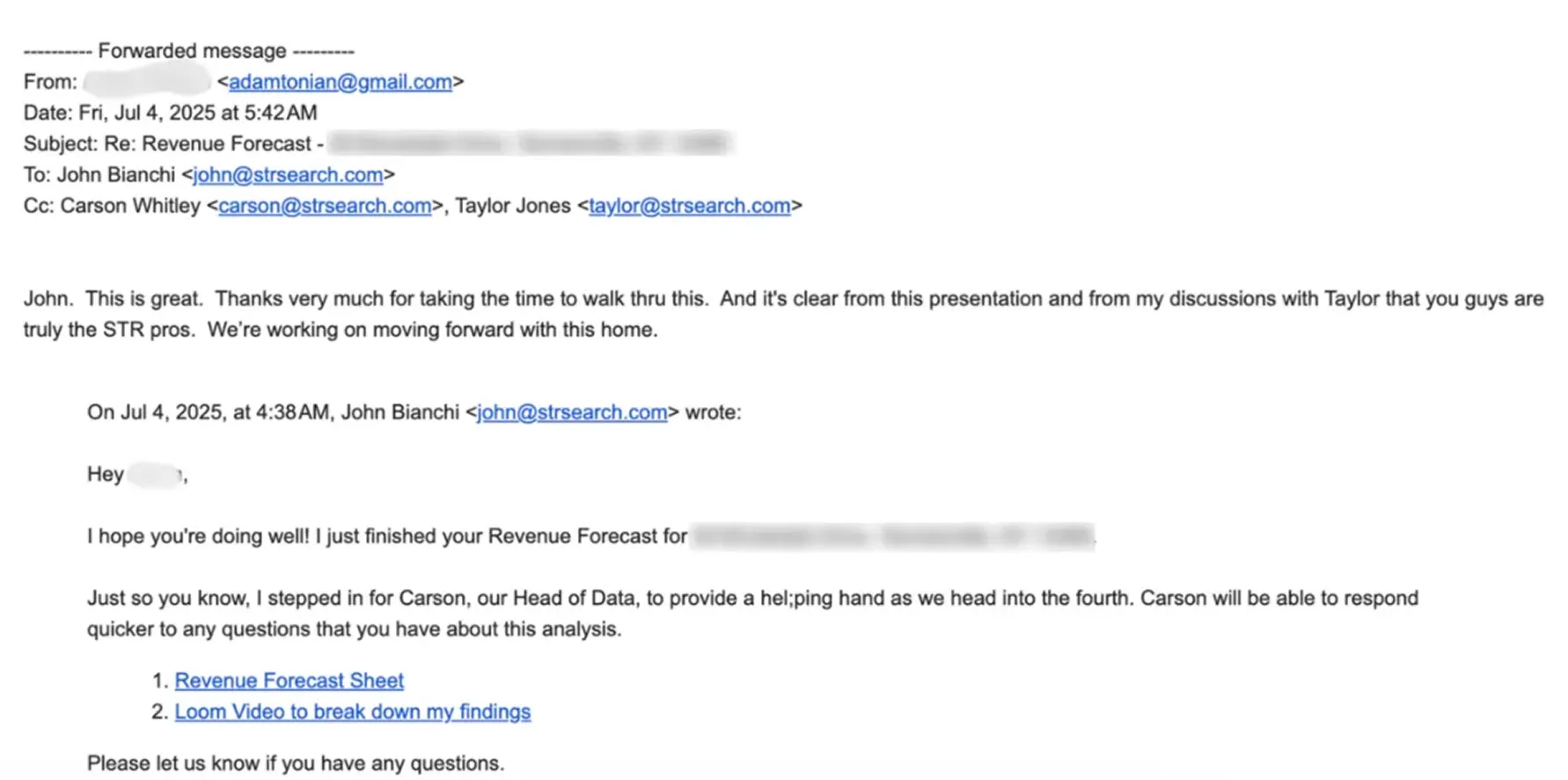
STR Search and the Bianchi Method has gained a reputation among industry leaders as being the front runner in consistently matching people with profitable properties.





Social Proof

Put your money to work & lower your tax bill
We’ve spent years analyzing what works so you don’t have to. Our job is to cut through bad data and help you make smart, profitable decisions backed by real numbers.
Schedule Your Free Call