
Hilton Head Island Airbnb Rules & Investment Guide (2026)

Evaluate Town jurisdiction, permit timing, lawful capacity, safety systems, parking, taxes, enforcement, and property-level operating costs before committing capital.

Plan a Hilton Head Island property strategy call
Hilton Head Island property research

Hilton Head Island Short-Term Rental Investment Decision

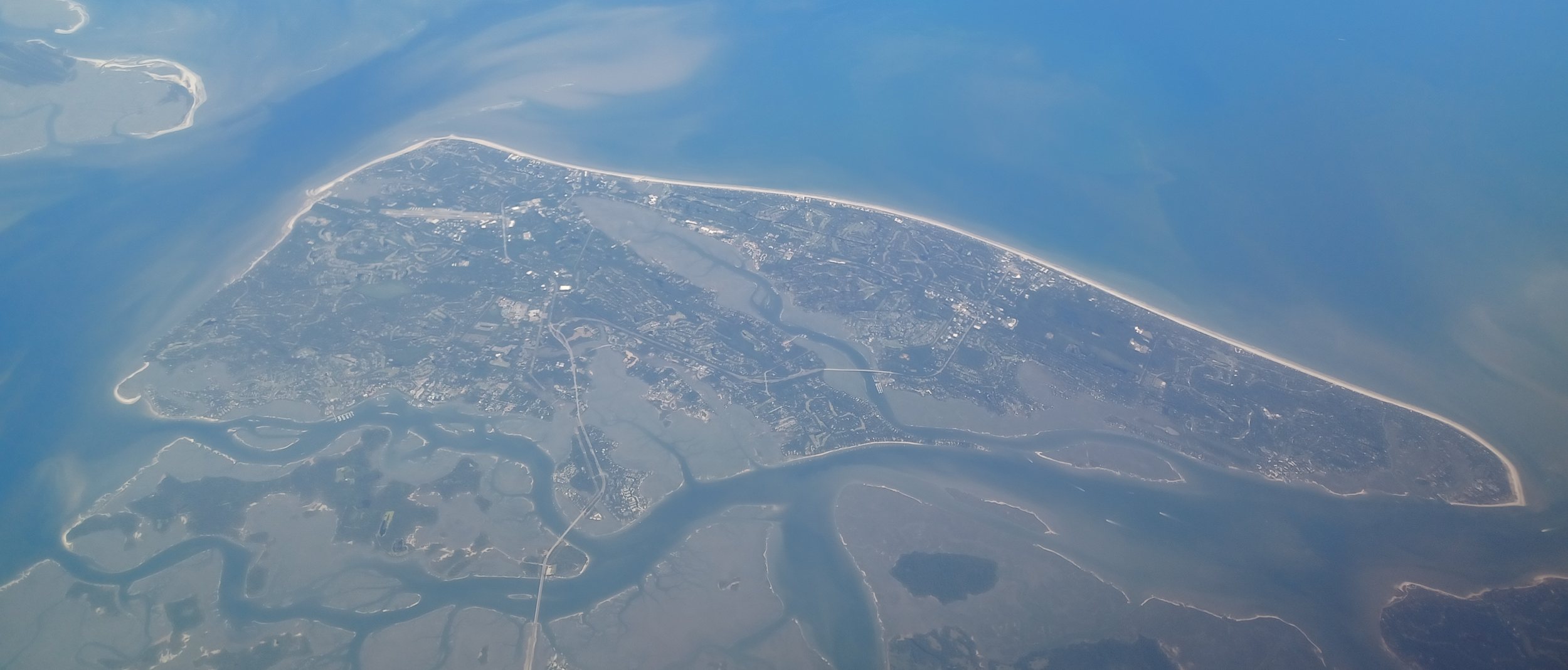
Aerial view of Hilton Head Island coastline and waterways
Aerial view of Hilton Head Island, South Carolina. Wikimedia Commons, CC0 1.0.
Short-term rentalFewer than 30 consecutive days
Permit termMay 1 through April 30
Permit scopeOne permit per rental unit
Local responseWithin 1 hour after Town notice
Decision point

Hilton Head Island Short-Term Rental Investment Decision

An acquisition begins with address-level legal and operational diligence. Island demand does not establish whether a residence can be permitted or run within its physical and private constraints.

  • Confirm the parcel is inside Town limits before applying the Town STR chapter.
  • Verify a Certificate of Occupancy exists and every proposed bedroom is a lawful sleeping area.
  • Review deed, association, insurance, and lender restrictions separately because a Town permit does not override them.
  • Model returns after pricing permits, taxes, safety work, parking, response coverage, maintenance, utilities, and platform fees.
Eligibility

Hilton Head Island STR Scope and Property Eligibility

The Town chapter regulates privately owned residential property rented for fewer than 30 consecutive days inside municipal limits. Hotels, motels, hospitals, and defined interval-occupancy uses are outside that chapter.

  • Confirm Town jurisdiction by address rather than a Hilton Head Island mailing address.
  • Ask Town staff whether the proposed use and dwelling configuration match zoning and building records.
  • A Certificate of Occupancy must exist before the STR permit is valid.
  • Multiple rental units on one parcel require a separate permit for each unit.
  • Private covenants and association restrictions remain independently enforceable.
Permit process

Hilton Head Island STR Permit Application and Renewal

A permit is required before a property is advertised, offered, used, or operated as a short-term rental. Permits run from May 1 through April 30, regardless of when issued. The Town lists an annual fee of $150 per bedroom for the 2026 renewal cycle. Apply on the Town form with the required fee, advertisement, and owner-signed affidavit. Detached residences, and residences without community trash or shared parking, need a site plan addressing trash and parking. Provide association approval when applicable and disclose approved bedroom and vehicle information. Treat the permit as owner-and-property specific because it is nontransferable and nonrefundable.

  • Apply on the Town form and pay the fee set in the annual budget ordinance.
  • Include at least one advertisement and an owner-signed affidavit of compliance.
  • Detached residences, and residences without community trash or shared parking, need a site plan addressing trash and parking.
  • Provide association approval when applicable and disclose approved bedroom and vehicle information.
  • Treat the permit as owner-and-property specific because it is nontransferable and nonrefundable.
Acquisition review

Hilton Head Island Permit Due Diligence for Buyers

An existing permit does not transfer with the property. A buyer needs a new application and should verify the operating record rather than treating a seller’s permit as an entitlement.

  • Obtain the current permit, application, site plan, advertisements, and Town correspondence.
  • Match the permitted owner, unit, bedrooms, parking plan, contacts, and association approval to current conditions.
  • Review open fines, late fees, citations, complaints, and suspension or revocation notices.
  • Allow time for a new permit, business license, tax setup, and insurance approval before advertising or hosting.
Operating duties

Hilton Head Island STR Safety and Operating Requirements

Permit holders remain responsible for continuous compliance, including when no guest is present. The 2026 ordinance adds specific alarm, grill, escape-route, noise, trash, parking, and display duties.

  • Maintain operable smoke and carbon-monoxide detectors, plus combustible-gas detection when propane is used indoors.
  • Keep at least one charged fire extinguisher and unobstructed escape routes.
  • Properties of 3,600 square feet or more without suppression need the monitored alarm system described by ordinance.
  • Equip exterior gas grills with an automatic shut-off timer allowing no more than 60 minutes of gas flow.
  • Follow noise rules at all hours, with nighttime hours from 10:01 p.m. through 6:59 a.m.
Site operations

Hilton Head Island STR Parking, Trash, and Guest Displays

The approved site plan and on-property conditions define daily operating capacity. Parking outside approved areas and poor trash handling create direct compliance risk.

  • Use only approved off-street parking and do not block sidewalks or pedestrian access.
  • Provide spaces at least 9 by 18 feet and no more than six exterior spaces; garage spaces are excluded.
  • Do not allow STR vehicles off-site, on streets or rights-of-way, in buffers, or on unimproved surfaces.
  • Screen and secure trash containers, limiting curbside placement to the 24 hours before and after pickup.
  • Display the responsible contact, noise statement, trash instructions, applicable water-safety information, and Town materials.
Taxes and records

Hilton Head Island STR Taxes, Licenses, and Business Records

Operating requires more than the STR permit. The owner must maintain a Town business license, pay applicable taxes and government charges, and keep fines and fees current.

  • Maintain the annual Town business license throughout operation.
  • Register and remit South Carolina sales and accommodations taxes applicable to the booking channel and structure.
  • Open the required Town accommodations-tax and beach-preservation-fee account for sleeping accommodations under 90 days.
  • Confirm what a platform collects because marketplace collection does not prove every filing duty is satisfied.
  • Retain returns, platform statements, direct-booking records, exemption support, and payment confirmations.
Compliance risk

Hilton Head Island STR Enforcement, Fines, and Appeals

The Town may inspect after 48 hours’ written notice. The amended chapter establishes escalating administrative fines and a separate suspension or revocation process.

  • $250 applies to a first infraction, $500 to a second within the stated one-year period, and $1,000 to a third or later infraction within the stated period.
  • An administrative fine unpaid after 30 days carries a $25 late fee.
  • More than two code convictions or more than three administrative citations connected to the property within 12 months can support suspension.
  • Town Council holds the suspension and proposed revocation hearing within 30 days after written notice, absent an agreed continuance.
  • A final Town Council decision may be appealed to circuit court, but an appeal does not itself stay the decision.
Contacts and support

Hilton Head Island STR Contacts and Property Research

Use Town and state records to confirm property-specific treatment before committing capital. Keep dated copies because forms, fees, and administrative practices can change.

  • Permit support: Town STR staff at 843-341-4740 or STRPlan@hiltonheadislandsc.gov.
  • Nuisance reporting: 24/7 Rapid Response Hotline at 843-341-6864 for parking, trash, or noise.
  • Business-license and local-tax questions: Town Revenue Services at 843-341-4677.
  • State registration and tax questions: South Carolina Department of Revenue through MyDORWAY.
  • Compare the Beaufort County tax record, Town permit file, Certificate of Occupancy, building records, and association documents.
Plan a Hilton Head Island property strategy call
Common questions

Hilton Head Island Airbnb Investment FAQs

Can I start an Airbnb in Hilton Head Island, South Carolina?

Potentially, after Town jurisdiction and property eligibility are confirmed.

  • Confirm the address is inside Hilton Head Island municipal limits and has a Certificate of Occupancy.
  • Review zoning, lawful bedrooms, association rules, deed restrictions, insurance, and lender requirements.
  • Obtain the Town STR permit and business license, then complete applicable tax, safety, parking, and response requirements before advertising.
What counts as a short-term rental in Hilton Head Island?

The Town chapter covers privately owned residential property rented for fewer than 30 consecutive days.

  • Hotels, motels, hospitals, and defined interval-occupancy uses fall outside this STR chapter.
  • Confirm Town jurisdiction by address because a Hilton Head Island mailing address does not establish municipal jurisdiction.
  • Ask Town staff to confirm the proposed dwelling configuration and use against zoning, building, and occupancy records.
Do I need a Hilton Head Island STR permit before advertising?

Yes. A Town STR permit is required before advertising, offering, using, or operating the property as a short-term rental.

  • Submit the Town application, required owner affidavit, advertisement, and applicable fee.
  • Provide a site plan when the residence is detached or lacks shared parking or community trash facilities.
  • Maintain a current Town business license and provide association approval when applicable.
How long is a Hilton Head Island STR permit valid?

The standard permit cycle runs from May 1 through April 30, regardless of the issue date.

  • The Town lists an annual permit fee of $150 per bedroom for the 2026 renewal cycle.
  • Renew the Town business license by April 30 and submit the STR renewal through the Town portal.
  • Permits are nontransferable, nonrefundable, and specific to the approved owner, agent, and property.
What safety equipment does a Hilton Head Island STR need?

The amended ordinance and Town requirements establish property-specific fire and life-safety duties.

  • Maintain required smoke and carbon-monoxide detection, plus combustible-gas detection when propane is used indoors.
  • Keep at least one charged fire extinguisher and unobstructed escape routes.
  • Properties of 3,600 square feet or more need the ordinance-required suppression or monitored alarm system, and exterior gas grills need a 60-minute automatic shut-off timer.
What are the Hilton Head Island STR parking rules?

Guest vehicles must remain in approved off-street spaces documented for the property.

  • Provide 9-by-18-foot driveway spaces and do not exceed six exterior spaces.
  • Do not allow guest parking on streets, rights-of-way, buffers, grass, pine straw, or other unimproved surfaces.
  • Confirm the approved site plan and any association parking limits before estimating operating capacity.
How quickly must an owner respond to an STR complaint?

The owner or designated agent must remain reachable during guest occupancy.

  • Take responsive action within one hour after receiving a complaint.
  • Use the Town 24/7 Rapid Response Hotline for parking, trash, or noise reports.
  • Keep current owner and agent contact information in the permit record and guest materials.
What taxes apply to Hilton Head Island short-term rentals?

South Carolina and Town obligations can apply to short stays in addition to the business license.

  • Review South Carolina sales and accommodations tax registration and filing requirements for rentals under 90 days.
  • Confirm Town accommodations tax and beach-preservation fee duties with Revenue Services.
  • Reconcile platform collections against required returns because marketplace remittance may not satisfy every filing obligation.
Can a Hilton Head Island STR permit transfer to a buyer?

No. A Hilton Head Island STR permit does not transfer to a purchaser.

  • Obtain the seller’s permit, application, site plan, complaint history, citations, and Town correspondence for diligence.
  • Match approved bedrooms, parking, owner, agent, and association information to current conditions.
  • Plan for a new permit application, business license, tax setup, and insurance approval before advertising or hosting.
What can put a Hilton Head Island STR permit at risk?

False application information, unpaid obligations, nuisance findings, and repeated violations can threaten the permit.

  • More than two code convictions or more than three administrative citations tied to the property within 12 months can support suspension.
  • Town Council handles the suspension or proposed revocation hearing after written notice under the ordinance.
  • Use Town STR staff for permit questions, Revenue Services for local tax and license questions, and qualified legal, tax, insurance, inspection, and STR Search advisors for property-specific diligence.