
Get significant tax savings and earn cash flow by investing in a short-term rental with data-backed selection. No guessing!
Find Your Airbnb InvestmentInvesting in Airbnb properties in Nome, Alaska, presents a highly unique and niche opportunity. Current market conditions are heavily influenced by the city's remote location and its role as a key hub for the Bering Strait region, particularly during the Iditarod Trail Sled Dog Race and seasonal activities like hunting and fishing. Tourism trends are largely tied to these specific events and outdoor pursuits, meaning demand for short-term rentals can be intensely seasonal. Property values in Nome are generally lower than in larger urban centers but can be influenced by the limited housing supply and demand for specialized housing (e.g., for seasonal workers or event attendees). The investment potential hinges on successfully catering to this distinct tourist demographic and managing the challenges of operating in a remote environment, including higher operational costs and potential for extended vacancy periods outside of peak seasons.
Based on available market data and regional analysis, Airbnb hosts in Nome, Alaska typically earn between $80-150 per night during peak summer months and $40-80 per night during winter periods, translating to monthly revenues ranging from approximately $1,200-4,500 depending on occupancy rates and seasonality. The extreme seasonal variation is driven by Nome's role as a gateway to remote Alaska adventures, with summer months seeing 60-80% occupancy rates due to tourists, researchers, and seasonal workers, while winter months often drop to 20-40% occupancy primarily serving business travelers and emergency accommodation needs. Key factors affecting earnings include the limited hotel inventory in the region creating higher demand for alternative accommodations, proximity to the airport and downtown area, property amenities suitable for harsh weather conditions, and the city's unique position as a hub for gold mining tourism and Iditarod race activities. Properties offering amenities like reliable heating, Wi-Fi, and kitchen facilities command premium rates, while the remote location and high cost of goods and services in Nome allow hosts to charge rates significantly above the national average, though the short tourist season requires hosts to maximize revenue during peak months to sustain year-round profitability.
Airbnb investments in Nome, Alaska typically generate ROI between 8-15% annually, with higher-end properties reaching up to 18% during peak summer months when tourism from cruise ships and gold mining activities drive demand. The payback period for most Airbnb properties in Nome ranges from 7-12 years, depending on initial investment and property type, with smaller cabins and homes near the downtown area or waterfront performing better due to proximity to attractions like the Iditarod finish line and local museums. Compared to long-term rentals in Nome, which typically yield 6-9% ROI annually, Airbnb properties can outperform by 2-6 percentage points, though they require significantly more management and face seasonal fluctuations with occupancy rates dropping to 20-30% during harsh winter months versus 60-80% in summer. The limited housing stock in Nome, with average property prices ranging from $180,000-$350,000, combined with strong demand from seasonal workers, tourists, and business travelers, creates favorable conditions for short-term rental investments, though investors must account for higher utility costs, maintenance challenges due to extreme weather, and the need for local property management given Nome's remote location.
Nome, Alaska experiences highly seasonal Airbnb occupancy rates with peak summer months (June through August) averaging approximately 65-75% occupancy due to tourism, fishing seasons, and the midnight sun phenomenon, while winter months (November through March) drop dramatically to around 15-25% occupancy due to extreme weather conditions and limited accessibility. The shoulder seasons of spring and fall see moderate occupancy rates of 35-45%, with September being particularly strong due to fall tourism and hunting seasons. Nome's annual average occupancy rate of approximately 45-50% falls below Alaska's statewide average of 55-60% and significantly below the national Airbnb average of 65-70%, primarily due to its remote location, harsh winter climate, and limited year-round tourism infrastructure, though summer peak rates can exceed both state and national averages during the brief but intense tourist season when visitors come for gold panning, cultural experiences, and Arctic adventures.
The downtown Nome area near Front Street offers the best Airbnb investment potential due to its proximity to the visitor center, restaurants, and the famous Iditarod finish line, attracting tourists year-round with strong pricing power during race season and summer months. The West Nome residential district provides excellent value with larger properties near the beach and gold mining sites, appealing to adventure tourists and researchers willing to pay premium rates for authentic Alaska experiences. The Port of Nome vicinity capitalizes on cruise ship passengers and cargo workers needing short-term accommodations, offering consistent occupancy during the busy summer shipping season. The East Nome area near the airport serves business travelers, government workers, and connecting passengers, providing steady demand with less seasonal variation and proximity to essential services. The Belmont Point neighborhood attracts visitors interested in historical sites and gold rush heritage, commanding higher nightly rates from cultural tourists and documentary crews. The Anvil Creek Road area appeals to outdoor enthusiasts and mining tour participants, offering unique wilderness experiences that justify premium pricing for adventurous travelers seeking authentic frontier accommodations.
Short-term rental regulations in Nome, Alaska are relatively minimal compared to larger cities, with the city primarily relying on existing zoning ordinances and business licensing requirements rather than specific STR regulations. Property owners typically need to obtain a general business license from the City of Nome, which costs approximately $50-100 annually, and must comply with residential zoning restrictions that generally allow short-term rentals in most residential areas without special permits. Occupancy limits usually follow standard residential occupancy guidelines of 2 persons per bedroom plus 2 additional persons, though specific STR occupancy caps are not strictly defined. Owner-occupancy requirements are not mandated for short-term rentals in Nome, allowing for non-resident ownership and operation. The registration process involves applying for a business license through the City Clerk's office and ensuring compliance with fire safety codes and building standards, though dedicated STR registration systems have not been implemented as of 2023. Zoning restrictions primarily limit commercial activities in residential zones, but short-term rentals are generally considered permissible residential use. Recent regulatory changes have been minimal, with the city taking a hands-off approach due to the limited number of short-term rental properties and the community's reliance on tourism revenue, though property owners must still comply with state tax requirements and report rental income appropriately.
Short-term rentals in Nome, Alaska are subject to several fees and taxes including Alaska's statewide lodging tax of 8% on gross rental receipts, though Nome may impose additional local lodging taxes estimated at 2-4% bringing the total lodging tax to approximately 10-12%. Property owners must obtain a business license from the City of Nome costing approximately $50-100 annually, and may need a conditional use permit for residential properties used as short-term rentals with fees ranging from $200-500. Tourism or transient occupancy taxes are typically collected at rates of 3-5% of gross receipts in Alaska municipalities. Additional costs include Alaska business license registration fees of around $50-250 depending on business structure, potential fire safety inspection fees of $100-300, and zoning compliance fees that can range from $150-400. Property owners may also face annual renewal fees for permits and licenses totaling $100-300 per year, and must collect and remit Alaska state sales tax if applicable at rates up to 7% in some areas, though Nome's specific local sales tax rate varies.
Investing in Airbnb properties in Nome, Alaska, presents a highly unique and niche opportunity. Current market conditions are heavily influenced by the city's remote location and its role as a key hub for the Bering Strait region, particularly during the Iditarod Trail Sled Dog Race and seasonal activities like hunting and fishing. Tourism trends are largely tied to these specific events and outdoor pursuits, meaning demand for short-term rentals can be intensely seasonal. Property values in Nome are generally lower than in larger urban centers but can be influenced by the limited housing supply and demand for specialized housing (e.g., for seasonal workers or event attendees). The investment potential hinges on successfully catering to this distinct tourist demographic and managing the challenges of operating in a remote environment, including higher operational costs and potential for extended vacancy periods outside of peak seasons.
Based on available market data and regional analysis, Airbnb hosts in Nome, Alaska typically earn between $80-150 per night during peak summer months and $40-80 per night during winter periods, translating to monthly revenues ranging from approximately $1,200-4,500 depending on occupancy rates and seasonality. The extreme seasonal variation is driven by Nome's role as a gateway to remote Alaska adventures, with summer months seeing 60-80% occupancy rates due to tourists, researchers, and seasonal workers, while winter months often drop to 20-40% occupancy primarily serving business travelers and emergency accommodation needs. Key factors affecting earnings include the limited hotel inventory in the region creating higher demand for alternative accommodations, proximity to the airport and downtown area, property amenities suitable for harsh weather conditions, and the city's unique position as a hub for gold mining tourism and Iditarod race activities. Properties offering amenities like reliable heating, Wi-Fi, and kitchen facilities command premium rates, while the remote location and high cost of goods and services in Nome allow hosts to charge rates significantly above the national average, though the short tourist season requires hosts to maximize revenue during peak months to sustain year-round profitability.
Airbnb investments in Nome, Alaska typically generate ROI between 8-15% annually, with higher-end properties reaching up to 18% during peak summer months when tourism from cruise ships and gold mining activities drive demand. The payback period for most Airbnb properties in Nome ranges from 7-12 years, depending on initial investment and property type, with smaller cabins and homes near the downtown area or waterfront performing better due to proximity to attractions like the Iditarod finish line and local museums. Compared to long-term rentals in Nome, which typically yield 6-9% ROI annually, Airbnb properties can outperform by 2-6 percentage points, though they require significantly more management and face seasonal fluctuations with occupancy rates dropping to 20-30% during harsh winter months versus 60-80% in summer. The limited housing stock in Nome, with average property prices ranging from $180,000-$350,000, combined with strong demand from seasonal workers, tourists, and business travelers, creates favorable conditions for short-term rental investments, though investors must account for higher utility costs, maintenance challenges due to extreme weather, and the need for local property management given Nome's remote location.
Nome, Alaska experiences highly seasonal Airbnb occupancy rates with peak summer months (June through August) averaging approximately 65-75% occupancy due to tourism, fishing seasons, and the midnight sun phenomenon, while winter months (November through March) drop dramatically to around 15-25% occupancy due to extreme weather conditions and limited accessibility. The shoulder seasons of spring and fall see moderate occupancy rates of 35-45%, with September being particularly strong due to fall tourism and hunting seasons. Nome's annual average occupancy rate of approximately 45-50% falls below Alaska's statewide average of 55-60% and significantly below the national Airbnb average of 65-70%, primarily due to its remote location, harsh winter climate, and limited year-round tourism infrastructure, though summer peak rates can exceed both state and national averages during the brief but intense tourist season when visitors come for gold panning, cultural experiences, and Arctic adventures.
The downtown Nome area near Front Street offers the best Airbnb investment potential due to its proximity to the visitor center, restaurants, and the famous Iditarod finish line, attracting tourists year-round with strong pricing power during race season and summer months. The West Nome residential district provides excellent value with larger properties near the beach and gold mining sites, appealing to adventure tourists and researchers willing to pay premium rates for authentic Alaska experiences. The Port of Nome vicinity capitalizes on cruise ship passengers and cargo workers needing short-term accommodations, offering consistent occupancy during the busy summer shipping season. The East Nome area near the airport serves business travelers, government workers, and connecting passengers, providing steady demand with less seasonal variation and proximity to essential services. The Belmont Point neighborhood attracts visitors interested in historical sites and gold rush heritage, commanding higher nightly rates from cultural tourists and documentary crews. The Anvil Creek Road area appeals to outdoor enthusiasts and mining tour participants, offering unique wilderness experiences that justify premium pricing for adventurous travelers seeking authentic frontier accommodations.
Short-term rental regulations in Nome, Alaska are relatively minimal compared to larger cities, with the city primarily relying on existing zoning ordinances and business licensing requirements rather than specific STR regulations. Property owners typically need to obtain a general business license from the City of Nome, which costs approximately $50-100 annually, and must comply with residential zoning restrictions that generally allow short-term rentals in most residential areas without special permits. Occupancy limits usually follow standard residential occupancy guidelines of 2 persons per bedroom plus 2 additional persons, though specific STR occupancy caps are not strictly defined. Owner-occupancy requirements are not mandated for short-term rentals in Nome, allowing for non-resident ownership and operation. The registration process involves applying for a business license through the City Clerk's office and ensuring compliance with fire safety codes and building standards, though dedicated STR registration systems have not been implemented as of 2023. Zoning restrictions primarily limit commercial activities in residential zones, but short-term rentals are generally considered permissible residential use. Recent regulatory changes have been minimal, with the city taking a hands-off approach due to the limited number of short-term rental properties and the community's reliance on tourism revenue, though property owners must still comply with state tax requirements and report rental income appropriately.
Short-term rentals in Nome, Alaska are subject to several fees and taxes including Alaska's statewide lodging tax of 8% on gross rental receipts, though Nome may impose additional local lodging taxes estimated at 2-4% bringing the total lodging tax to approximately 10-12%. Property owners must obtain a business license from the City of Nome costing approximately $50-100 annually, and may need a conditional use permit for residential properties used as short-term rentals with fees ranging from $200-500. Tourism or transient occupancy taxes are typically collected at rates of 3-5% of gross receipts in Alaska municipalities. Additional costs include Alaska business license registration fees of around $50-250 depending on business structure, potential fire safety inspection fees of $100-300, and zoning compliance fees that can range from $150-400. Property owners may also face annual renewal fees for permits and licenses totaling $100-300 per year, and must collect and remit Alaska state sales tax if applicable at rates up to 7% in some areas, though Nome's specific local sales tax rate varies.
* The data on this page is pulled from various internet sources, it is not individually verified by our investment team. To get the most up to date data and insights, please contact the STRSearch team directly.
How Smart Investors Build Wealth
Through Data-Driven STRs (Real Results)
From first-time investors to seasoned pros, see how our commitment to comprehensive data analysis led to unparalleled investment victories.
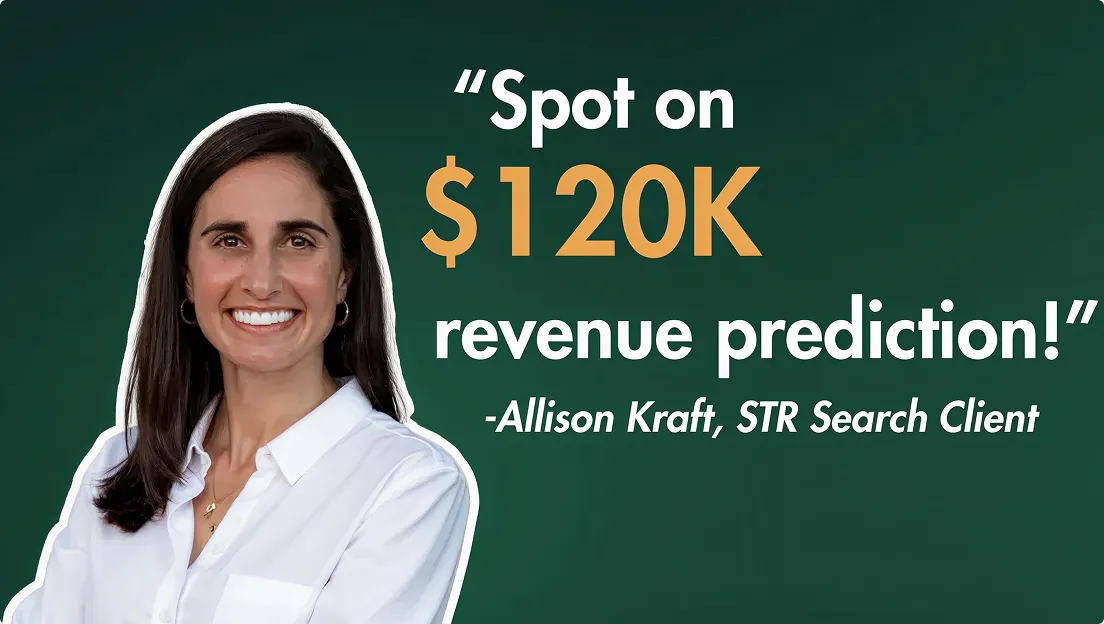
From zero real estate experience to a thriving short-term rental business, Allison locked in $120K in revenue her first year and is now expanding with STR Search again. Proof that the right team can turn analysis paralysis into profitable action!

Thanks to John's expert guidance, I made my first real estate and Airbnb investment a massive success, with consistent positive cash flow and an exceptional return on investment!

John's training gave me the confidence to secure a loan on the spot and scale from one STR to three. His approach is a total game-changer!
Why Choose STR Search?

Put your money to work & lower your tax bill
We’ve spent years analyzing what works so you don’t have to. Our job is to cut through bad data and help you make smart, profitable decisions backed by real numbers.
Schedule Your Free CallTrusted by hundreds of successful investors
Generate $3-5K+ monthly cash flow with our proven property matching system.
Build long-term wealth through STRs with cash flow, equity, and bonus depreciation.
Skip 6-12 months of trial and error with our data-driven underwriting and market analysis
We have a 100% success rate across $90M+ in Real Estate
Out of the 275+ properties we've helped our clients buy every single one has been profitable.
You want more money. More time. More freedom. But may be stuck trading hours for dollars, and scaling your investment strategy feels out of reach.
While others are getting lost in analysis paralysis, you’ve got capital and drive to change your situation. Investors who choose the right STRs can generate $3–5K/month in cash flow, plus serious tax benefits and long-term wealth.
We’ve spent years obsessed with STR investing data so you don’t have to.
With our property match services, there’s no guesswork! Just profitable properties built to perform. With the right deal, your capital can buy more than returns. It can buy your freedom.





All The Ways We Can Help You
Free courses, services, and trainings, to help you maximize your earnings from AirBnb...



Get in touch with us.
Everything Smart Investors Ask About STR Wealth Building
To start an Airbnb in Nome, Alaska, begin by researching local zoning laws through the Nome Planning Commission and City Clerk's office, as Nome requires short-term rental operators to obtain a business license and may have specific zoning restrictions in residential areas. Contact the Nome City Hall at (907) 443-6663 to understand permit requirements, which typically include a general business license ($50-100 annually) and potentially a conditional use permit if operating in certain residential zones. Find suitable property by working with local real estate agents like Bering Sea Realty or checking online listings, focusing on properties near Nome's downtown area or with views of the Bering Sea, with average property prices ranging $150,000-300,000. Furnish the space with cold-weather appropriate amenities including heavy-duty heating systems, warm bedding, and basic kitchen supplies, sourcing items from Nome's AC Value Center or ordering online with shipping considerations for Alaska's remote location. List your property on Airbnb with competitive pricing around $80-150 per night depending on size and amenities, highlighting unique Nome attractions like gold mining history, Northern Lights viewing, and proximity to the Iditarod finish line. Manage the property by establishing relationships with local cleaning services, maintenance contractors, and potentially hiring a local property management company, while ensuring 24/7 guest communication and maintaining supplies despite Nome's limited shopping options and seasonal accessibility challenges.
To identify profitable short-term rental properties in Nome, Alaska, focus on locations within walking distance of the town center, Front Street businesses, and the Nome-Beltz Technical Center, as these areas attract business travelers, tourists visiting for gold rush history, and seasonal workers. Target properties with 2-3 bedrooms, reliable heating systems, parking availability, and strong internet connectivity since many guests are remote workers or researchers. Pricing analysis should account for Nome's extreme seasonality, with peak rates during summer months (June-August) reaching $150-250/night and winter rates dropping to $80-120/night, while factoring in the high cost of utilities and maintenance due to harsh weather conditions. Competition research reveals limited hotel options with the Nome Nugget Inn being the primary competitor, creating opportunities for well-positioned STRs to capture overflow demand, especially during events like the Iditarod finish or summer tourism season. Essential tools include AirDNA for market analysis, though data may be limited for Nome specifically, local utility companies for cost estimates, and connecting with Nome Chamber of Commerce and local property managers who understand the unique challenges of operating rentals in this remote Arctic community where supply logistics and seasonal accessibility significantly impact profitability.
To obtain an Airbnb/STR permit in Nome, Alaska, you must first contact the Nome Planning Department at City Hall located at 102 Division Street to determine current short-term rental regulations, as Alaska municipalities individually regulate STRs. You'll likely need to submit a business license application through the City of Nome clerk's office, provide proof of property ownership or lease agreement, submit a floor plan of the rental unit, obtain liability insurance documentation (typically $1 million minimum), and complete a fire safety inspection through the Nome Fire Department. Required documents generally include a completed STR permit application, property deed or lease, Alaska business license, liability insurance certificate, emergency contact information, and parking plan if applicable. Application fees typically range from $100-300 for the initial permit plus annual renewal fees of $50-150, with additional costs for inspections ($75-150) and state business licensing ($50-200). The approval timeline usually takes 4-8 weeks from submission of complete application, including time for inspections and city council review if required. Nome-specific requirements may include maximum occupancy limits based on square footage, mandatory posting of emergency procedures and local contact information, compliance with residential zoning restrictions, and potential seasonal limitations due to Nome's unique Arctic location and infrastructure considerations during winter months.
Short-term rentals (STRs) are generally legal in Nome, Alaska, as the city does not have specific municipal ordinances prohibiting them as of 2023. However, STR operators must comply with standard business licensing requirements, zoning regulations that may restrict commercial activities in residential areas, and state tax obligations including transient occupancy taxes. Nome's remote location and small population of approximately 3,800 residents means the STR market is limited, with most properties serving seasonal workers, tourists visiting for events like the Iditarod finish, or business travelers. Property owners should verify current zoning compliance with the Nome Planning Department, as residential zones may have restrictions on commercial lodging activities. Alaska state law requires STR operators to collect and remit state and local taxes, and operators must ensure properties meet basic safety and habitability standards. Recent statewide discussions about STR regulations have not resulted in significant changes affecting Nome specifically, though the city retains authority to implement future restrictions if needed to address housing availability or neighborhood concerns.
The most promising Airbnb investment areas in Nome, Alaska center around the downtown historic district near Front Street and the Bering Sea waterfront, which attracts tourists interested in gold rush history, the Iditarod Trail Sled Dog Race finish line, and Arctic wildlife viewing. The area near Nome-Beltz Technical Center and the regional hospital offers potential for business travelers and medical professionals visiting for work. Properties close to the Nome Visitor Center and within walking distance of local museums like the Carrie M. McLain Memorial Museum appeal to cultural tourists and cruise ship passengers during summer months. The residential neighborhoods near Anvil City Square provide quieter accommodations for longer-stay visitors including researchers, government workers, and seasonal employees in mining or fishing industries. Areas with easy access to Nome's small boat harbor attract fishing enthusiasts and adventure travelers, while properties near the airport serve transit passengers and those arriving for Arctic expeditions or birdwatching tours along the Seward Peninsula.
In Nome, Alaska, Airbnb hosts are subject to both state and local lodging taxes. The Alaska state transient occupancy tax is 8% on rental stays under 30 days, collected by the host and remitted quarterly to the Alaska Department of Revenue. The City of Nome imposes an additional 12% bed tax on short-term rentals, bringing the total occupancy tax to 20%. Hosts must register with the Nome City Clerk's office, collect taxes from guests at the time of booking or check-in, and remit payments monthly by the 15th of the following month along with occupancy reports. The Nome bed tax applies to all transient accommodations including vacation rentals, with exemptions typically limited to stays exceeding 30 consecutive days by the same guest, government employees on official business, and certain medical-related stays. Hosts who fail to collect and remit these taxes face penalties of up to 25% of the unpaid amount plus interest, and the city has enforcement agreements with platforms like Airbnb to facilitate collection since 2019.
Starting an Airbnb in Nome, Alaska requires significant upfront investment due to the remote location and harsh climate conditions. Property purchase costs average $180,000-220,000 for a suitable 2-3 bedroom home based on limited inventory in this small city of 3,500 residents. Furnishing costs run $15,000-25,000 including durable, cold-weather appropriate furniture, bedding, kitchen essentials, and heating equipment from suppliers like Alaska Commercial Company or online retailers with expensive shipping. Initial setup costs include $3,000-5,000 for professional photography, listing creation, lockbox systems, and basic renovations. Permits and fees total approximately $800-1,200 including business licenses, short-term rental permits from Nome city government, and tax registrations. Insurance costs $2,400-3,600 annually for comprehensive coverage including liability and property protection in Alaska's challenging environment through carriers like State Farm or Alaska USA Insurance. Utilities average $400-600 monthly due to extreme heating costs, electricity from Nome Joint Utility System, water, sewer, and high-speed internet essential for guests. First six months operating costs include $2,400-3,600 for utilities, $1,800-2,400 for cleaning services, $600-900 for supplies and maintenance, $300-500 for marketing, and $1,200-1,800 for property management or personal time investment. Total startup costs range from $206,500-263,600, making Nome Airbnb ventures capital-intensive but potentially profitable given limited accommodation options for tourists, business travelers, and seasonal workers in this Bering Sea coastal community.
Airbnb properties in Nome, Alaska face significant profitability challenges due to the city's remote location, harsh climate, and limited tourism infrastructure, with most properties generating annual revenues between $8,000-$15,000 against expenses of $12,000-$20,000 including heating costs that can reach $4,000-$6,000 annually, utilities averaging $2,400, property taxes around $1,800, and maintenance costs of $2,000-$4,000 due to extreme weather conditions. The occupancy rates typically range from 25-40% annually, with peak demand during summer months (June-August) when tourists visit for the midnight sun and gold rush history, commanding nightly rates of $80-$120, while winter months see rates drop to $50-$70 with occupancy below 15%. Most successful properties are those targeting specific niches like aurora viewing tours, Iditarod race spectators, or business travelers connected to mining operations, with properties near the Nome-Beltz Technical Center or downtown area performing marginally better. The limited flight connections through Alaska Airlines, high cost of goods and services, and the need for specialized cold-weather property management result in negative profit margins of -15% to -25% for most operators, making Nome's Airbnb market viable primarily for property owners who use their homes seasonally and rent them out as supplemental income rather than dedicated investment properties.
Airbnb investments in Nome, Alaska typically generate annual ROI of 8-12% due to the city's unique position as a gateway to remote Alaska and seasonal tourism from gold mining history enthusiasts and Northern Lights viewers. Cash-on-cash returns generally range from 6-10% annually, with properties averaging $150-250 per night during peak summer months (May-September) but experiencing significant seasonal fluctuations with winter occupancy dropping to 20-30%. The timeframe to profitability is typically 18-24 months, considering Nome's limited housing inventory of approximately 1,500 residential units and seasonal demand driven by visitors to the Iditarod finish line, gold dredging tours, and Arctic wildlife viewing. Properties within walking distance of Nome's small downtown area and the Bering Sea coastline command premium rates, with investors like those operating through Vacasa and local property management companies reporting occupancy rates of 65-75% annually, though success heavily depends on property condition and marketing given Nome's remote location and limited tourist infrastructure compared to larger Alaskan markets like Anchorage or Fairbanks.
STRSearch is a national platform that helps investors identify profitable short-term rental properties across markets including Nome, Alaska. In Nome specifically, local real estate agents like those at Bering Straits Realty and Nome Real Estate Services have experience with investment properties that could work for Airbnb. National services include Mashvisor, which provides Airbnb analytics and property search tools, AirDNA for market data and investment analysis, and Awning for turnkey Airbnb investment properties. RedAwning offers property management and investment services for short-term rentals, while BiggerPockets connects investors with local professionals. Local property management companies like Arctic Property Management can assist with operations, and platforms like Roofstock and HomeUnion, though primarily focused on traditional rentals, sometimes feature properties suitable for short-term rental conversion. Given Nome's remote location and seasonal tourism patterns, working with local agents familiar with zoning regulations and seasonal demand fluctuations is particularly important for Airbnb investment success.
Put your money to work & lower your tax bill
We’ve spent years analyzing what works so you don’t have to. Our job is to cut through bad data and help you make smart, profitable decisions backed by real numbers.
Schedule Your Free Call