
Get significant tax savings and earn cash flow by investing in a short-term rental with data-backed selection. No guessing!
Find Your Airbnb InvestmentInvesting in Airbnb properties in San Francisco, California, presents a unique and often challenging landscape, primarily due to stringent local regulations and high property values. While the city remains a global tourism hub with a strong demand for accommodations, recent legislation significantly restricts short-term rentals, making it difficult for new investors to operate legally. This regulatory environment, combined with some of the highest property acquisition costs in the nation, compresses potential profit margins and extends payback periods. Despite robust tourism trends driven by business travel and leisure, the limited supply of legal short-term rental units and the high operational overhead (including property management, cleaning, and maintenance in an expensive market) can make it a less straightforward investment compared to other, less regulated cities. Therefore, while demand is present, the significant hurdles of high entry costs and complex regulatory compliance necessitate a very cautious and well-researched approach for any potential investor.
Average Airbnb earnings in San Francisco typically range from $3,500 to $8,000 per month for entire home listings, with private rooms averaging $1,800 to $3,500 monthly, though these figures can vary significantly based on location, property type, and host management practices. Seasonal variations show peak earnings during summer months (June through September) when revenues can increase by 25-40% above average, while winter months generally see 15-20% lower earnings, with major events like conferences and festivals creating temporary spikes throughout the year. Key factors affecting earnings include neighborhood desirability (with areas like Mission District, Castro, and near Fisherman's Wharf commanding premium rates), property amenities such as parking and outdoor space, professional photography and listing optimization, dynamic pricing strategies, guest review scores above 4.8 stars, and proximity to public transportation and major attractions. Properties in prime locations with excellent management can achieve occupancy rates of 70-85% with average daily rates ranging from $150-300, while less desirable locations or poorly managed listings may see occupancy rates below 50% and daily rates under $100, significantly impacting overall monthly revenue potential.
Airbnb investments in San Francisco typically generate an average ROI of 8-12% annually, significantly outperforming traditional long-term rentals which average 4-6% in the city. The average daily rate for Airbnb properties ranges from $150-300 depending on location and property type, with occupancy rates averaging 65-75% throughout the year. Payback periods for initial investment and setup costs typically range from 6-10 years, compared to 12-15 years for conventional rental properties. Properties in prime neighborhoods like Mission District, Castro, and areas near Union Square command premium rates of $200-400 per night with higher occupancy rates of 75-85%, while outer neighborhoods average $120-200 nightly with 60-70% occupancy. The higher ROI comes from San Francisco's robust tourism market generating approximately 25 million visitors annually, though investors must factor in the city's strict short-term rental regulations, required permits costing $250 annually, and the 90-day annual limit for non-hosted rentals which can significantly impact revenue potential and reduce ROI to 5-8% for properties subject to these restrictions.
San Francisco Airbnb occupancy rates average approximately 65-70% annually, with significant seasonal variations that peak during summer months (July-September) at 75-80% occupancy and drop to their lowest during winter months (December-February) at 55-60%. The city experiences particularly high demand during major events like Dreamforce in September and peak tourist season from June through October, while experiencing softer demand during the rainy winter months and early spring. San Francisco's occupancy rates typically run 5-10 percentage points higher than the California state average of 60-65% and significantly outperform the national Airbnb average of 48-52%, reflecting the city's status as a major international destination, strong business travel market, and limited hotel inventory that drives demand to short-term rentals despite higher average daily rates and strict local regulations that have reduced overall supply.
The best Airbnb investment neighborhoods in San Francisco include the Mission District, which offers vibrant nightlife, excellent restaurants, and strong appeal to younger travelers seeking authentic local culture at moderate pricing points. SOMA (South of Market) provides proximity to major tech companies, convention centers, and downtown attractions, commanding premium rates from business travelers and tourists visiting Union Square and the Financial District. The Castro District attracts both LGBTQ+ tourists and general visitors with its historic significance, walkable streets, and central location, offering solid occupancy rates year-round. Nob Hill delivers luxury positioning with stunning city views, proximity to cable car lines, and upscale dining, allowing for higher nightly rates from affluent travelers. The Marina District appeals to younger professionals and tourists with its proximity to the Golden Gate Bridge, Crissy Field, and trendy bars and restaurants, maintaining strong seasonal demand. North Beach combines Italian heritage charm with proximity to Fisherman's Wharf and downtown, attracting both cultural tourists and business travelers. Finally, the Haight-Ashbury area draws music enthusiasts, cultural tourists, and budget-conscious travelers interested in the neighborhood's counterculture history, offering good value positioning with steady demand from diverse visitor demographics.
San Francisco has some of the strictest short-term rental regulations in California, requiring hosts to obtain a Business Registration Certificate and Short-Term Rental Registry Number through the Office of Short-Term Rentals, with registration fees around $250-500 annually. The city mandates that hosts must be permanent residents who occupy the unit as their primary residence for at least 275 days per year, effectively prohibiting investor-owned short-term rentals. Occupancy is limited to the number of people allowed under the building's Certificate of Occupancy, typically 2 people per bedroom plus 2 additional guests, with a maximum of 16 people total. Short-term rentals are only permitted in residential zoning districts and are prohibited in certain areas like some rent-controlled buildings built before 1979. The registration process requires proof of residency, liability insurance of at least $500,000, neighbor notification, and compliance with building and fire safety codes. Recent changes implemented between 2018-2022 include stricter enforcement mechanisms, increased penalties up to $1,000 per day for violations, mandatory quarterly reporting of rental activity, and enhanced verification of owner-occupancy requirements, with platforms like Airbnb and VRBO required to verify host registration numbers before allowing listings.
Short-term rentals in San Francisco, California are subject to multiple fees and taxes including a 14% Transient Occupancy Tax (TOT) collected on gross rental receipts, which is among the highest in the nation. Hosts must obtain a Short-Term Rental Registry Certificate costing approximately $250 initially with annual renewal fees of around $125, plus a business registration certificate fee of roughly $91 every two years. Additional requirements include a $334 planning department application fee for certain property types and potential homeowner association fees averaging $150-300 annually where applicable. The city also imposes a 1.5% gross receipts tax on rental income exceeding $25,000 annually, and hosts may face administrative penalties ranging from $250-1,000 for non-compliance with registration requirements. Property owners must also account for standard California state income taxes on rental income and potential local assessment fees that can vary by neighborhood, with some districts charging additional tourism impact fees of 2-3% of gross receipts.
Investing in Airbnb properties in San Francisco, California, presents a unique and often challenging landscape, primarily due to stringent local regulations and high property values. While the city remains a global tourism hub with a strong demand for accommodations, recent legislation significantly restricts short-term rentals, making it difficult for new investors to operate legally. This regulatory environment, combined with some of the highest property acquisition costs in the nation, compresses potential profit margins and extends payback periods. Despite robust tourism trends driven by business travel and leisure, the limited supply of legal short-term rental units and the high operational overhead (including property management, cleaning, and maintenance in an expensive market) can make it a less straightforward investment compared to other, less regulated cities. Therefore, while demand is present, the significant hurdles of high entry costs and complex regulatory compliance necessitate a very cautious and well-researched approach for any potential investor.
Average Airbnb earnings in San Francisco typically range from $3,500 to $8,000 per month for entire home listings, with private rooms averaging $1,800 to $3,500 monthly, though these figures can vary significantly based on location, property type, and host management practices. Seasonal variations show peak earnings during summer months (June through September) when revenues can increase by 25-40% above average, while winter months generally see 15-20% lower earnings, with major events like conferences and festivals creating temporary spikes throughout the year. Key factors affecting earnings include neighborhood desirability (with areas like Mission District, Castro, and near Fisherman's Wharf commanding premium rates), property amenities such as parking and outdoor space, professional photography and listing optimization, dynamic pricing strategies, guest review scores above 4.8 stars, and proximity to public transportation and major attractions. Properties in prime locations with excellent management can achieve occupancy rates of 70-85% with average daily rates ranging from $150-300, while less desirable locations or poorly managed listings may see occupancy rates below 50% and daily rates under $100, significantly impacting overall monthly revenue potential.
Airbnb investments in San Francisco typically generate an average ROI of 8-12% annually, significantly outperforming traditional long-term rentals which average 4-6% in the city. The average daily rate for Airbnb properties ranges from $150-300 depending on location and property type, with occupancy rates averaging 65-75% throughout the year. Payback periods for initial investment and setup costs typically range from 6-10 years, compared to 12-15 years for conventional rental properties. Properties in prime neighborhoods like Mission District, Castro, and areas near Union Square command premium rates of $200-400 per night with higher occupancy rates of 75-85%, while outer neighborhoods average $120-200 nightly with 60-70% occupancy. The higher ROI comes from San Francisco's robust tourism market generating approximately 25 million visitors annually, though investors must factor in the city's strict short-term rental regulations, required permits costing $250 annually, and the 90-day annual limit for non-hosted rentals which can significantly impact revenue potential and reduce ROI to 5-8% for properties subject to these restrictions.
San Francisco Airbnb occupancy rates average approximately 65-70% annually, with significant seasonal variations that peak during summer months (July-September) at 75-80% occupancy and drop to their lowest during winter months (December-February) at 55-60%. The city experiences particularly high demand during major events like Dreamforce in September and peak tourist season from June through October, while experiencing softer demand during the rainy winter months and early spring. San Francisco's occupancy rates typically run 5-10 percentage points higher than the California state average of 60-65% and significantly outperform the national Airbnb average of 48-52%, reflecting the city's status as a major international destination, strong business travel market, and limited hotel inventory that drives demand to short-term rentals despite higher average daily rates and strict local regulations that have reduced overall supply.
The best Airbnb investment neighborhoods in San Francisco include the Mission District, which offers vibrant nightlife, excellent restaurants, and strong appeal to younger travelers seeking authentic local culture at moderate pricing points. SOMA (South of Market) provides proximity to major tech companies, convention centers, and downtown attractions, commanding premium rates from business travelers and tourists visiting Union Square and the Financial District. The Castro District attracts both LGBTQ+ tourists and general visitors with its historic significance, walkable streets, and central location, offering solid occupancy rates year-round. Nob Hill delivers luxury positioning with stunning city views, proximity to cable car lines, and upscale dining, allowing for higher nightly rates from affluent travelers. The Marina District appeals to younger professionals and tourists with its proximity to the Golden Gate Bridge, Crissy Field, and trendy bars and restaurants, maintaining strong seasonal demand. North Beach combines Italian heritage charm with proximity to Fisherman's Wharf and downtown, attracting both cultural tourists and business travelers. Finally, the Haight-Ashbury area draws music enthusiasts, cultural tourists, and budget-conscious travelers interested in the neighborhood's counterculture history, offering good value positioning with steady demand from diverse visitor demographics.
San Francisco has some of the strictest short-term rental regulations in California, requiring hosts to obtain a Business Registration Certificate and Short-Term Rental Registry Number through the Office of Short-Term Rentals, with registration fees around $250-500 annually. The city mandates that hosts must be permanent residents who occupy the unit as their primary residence for at least 275 days per year, effectively prohibiting investor-owned short-term rentals. Occupancy is limited to the number of people allowed under the building's Certificate of Occupancy, typically 2 people per bedroom plus 2 additional guests, with a maximum of 16 people total. Short-term rentals are only permitted in residential zoning districts and are prohibited in certain areas like some rent-controlled buildings built before 1979. The registration process requires proof of residency, liability insurance of at least $500,000, neighbor notification, and compliance with building and fire safety codes. Recent changes implemented between 2018-2022 include stricter enforcement mechanisms, increased penalties up to $1,000 per day for violations, mandatory quarterly reporting of rental activity, and enhanced verification of owner-occupancy requirements, with platforms like Airbnb and VRBO required to verify host registration numbers before allowing listings.
Short-term rentals in San Francisco, California are subject to multiple fees and taxes including a 14% Transient Occupancy Tax (TOT) collected on gross rental receipts, which is among the highest in the nation. Hosts must obtain a Short-Term Rental Registry Certificate costing approximately $250 initially with annual renewal fees of around $125, plus a business registration certificate fee of roughly $91 every two years. Additional requirements include a $334 planning department application fee for certain property types and potential homeowner association fees averaging $150-300 annually where applicable. The city also imposes a 1.5% gross receipts tax on rental income exceeding $25,000 annually, and hosts may face administrative penalties ranging from $250-1,000 for non-compliance with registration requirements. Property owners must also account for standard California state income taxes on rental income and potential local assessment fees that can vary by neighborhood, with some districts charging additional tourism impact fees of 2-3% of gross receipts.
* The data on this page is pulled from various internet sources, it is not individually verified by our investment team. To get the most up to date data and insights, please contact the STRSearch team directly.
How Smart Investors Build Wealth
Through Data-Driven STRs (Real Results)
From first-time investors to seasoned pros, see how our commitment to comprehensive data analysis led to unparalleled investment victories.
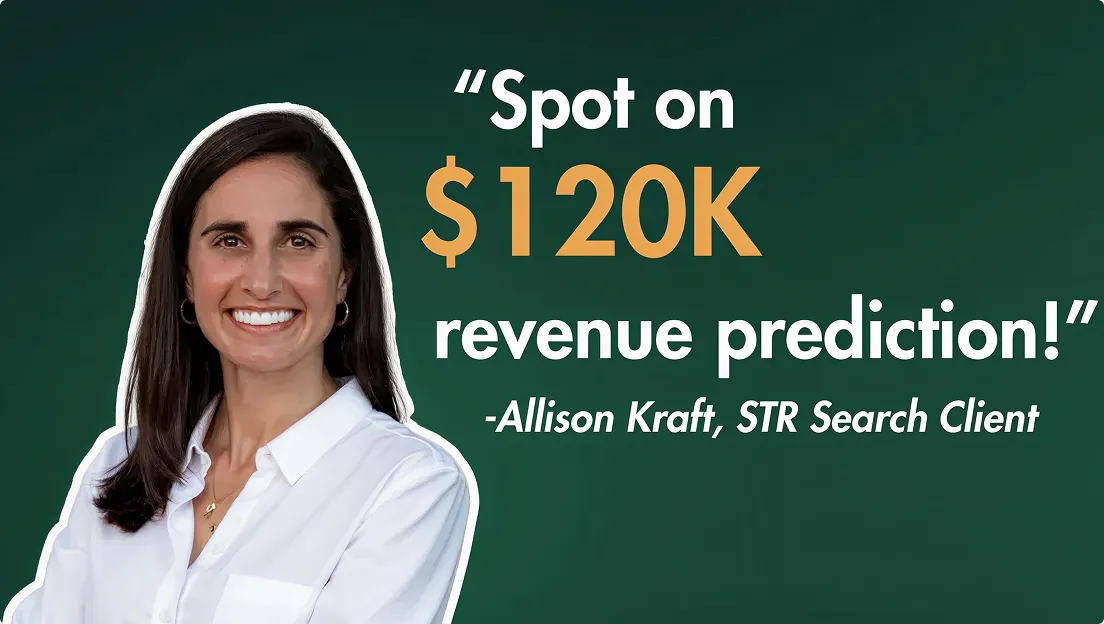
From zero real estate experience to a thriving short-term rental business, Allison locked in $120K in revenue her first year and is now expanding with STR Search again. Proof that the right team can turn analysis paralysis into profitable action!

Thanks to John's expert guidance, I made my first real estate and Airbnb investment a massive success, with consistent positive cash flow and an exceptional return on investment!

John's training gave me the confidence to secure a loan on the spot and scale from one STR to three. His approach is a total game-changer!
Why Choose STR Search?

Put your money to work & lower your tax bill
We’ve spent years analyzing what works so you don’t have to. Our job is to cut through bad data and help you make smart, profitable decisions backed by real numbers.
Schedule Your Free CallTrusted by hundreds of successful investors
Generate $3-5K+ monthly cash flow with our proven property matching system.
Build long-term wealth through STRs with cash flow, equity, and bonus depreciation.
Skip 6-12 months of trial and error with our data-driven underwriting and market analysis
We have a 100% success rate across $90M+ in Real Estate
Out of the 200+ properties we've helped our clients buy every single one has been profitable.
You want more money. More time. More freedom. But may be stuck trading hours for dollars, and scaling your investment strategy feels out of reach.
While others are getting lost in analysis paralysis, you’ve got capital and drive to change your situation. Investors who choose the right STRs can generate $3–5K/month in cash flow, plus serious tax benefits and long-term wealth.
We’ve spent years obsessed with STR investing data so you don’t have to.
With our property match services, there’s no guesswork! Just profitable properties built to perform. With the right deal, your capital can buy more than returns. It can buy your freedom.





All The Ways We Can Help You
Free courses, services, and trainings, to help you maximize your earnings from AirBnb...


Get in touch with us.
Everything Smart Investors Ask About STR Wealth Building
To start an Airbnb in San Francisco, California, begin by researching the city's strict short-term rental regulations which require hosts to register with the San Francisco Planning Department and obtain a Short-Term Rental Registry Number, with a maximum of 90 days per year for non-hosted rentals and unlimited days for hosted rentals where you live on-site at least 275 days annually. Apply for the required Business Registration Certificate through the San Francisco Treasurer & Tax Collector's office and pay the annual registration fee of approximately $250, while also obtaining a Transient Occupancy Registration Certificate if operating more than 30 days per year. Find a suitable property that complies with zoning laws (most residential areas allow short-term rentals) and ensure it meets all building and fire safety codes, including having proper smoke and carbon monoxide detectors. Furnish the space with quality furniture, linens, kitchen essentials, and amenities that appeal to tourists visiting San Francisco's attractions like Fisherman's Wharf, Golden Gate Bridge, and Alcatraz. Create your Airbnb listing with professional photos, competitive pricing (average $150-300 per night depending on location and size), and detailed descriptions highlighting proximity to public transportation like BART and Muni. Manage your property by maintaining cleanliness standards, responding promptly to guest inquiries, coordinating check-ins/check-outs, and ensuring compliance with San Francisco's 14.25% Transient Occupancy Tax collection and remittance requirements while keeping detailed records for the annual registry renewal process.
To identify profitable short-term rental properties in San Francisco, California, focus on neighborhoods like Mission District, Castro, Haight-Ashbury, and areas near Fisherman's Wharf that attract tourists while avoiding strict regulatory zones in residential areas. Target properties with 1-2 bedrooms, unique architectural features like Victorian details, parking availability, outdoor spaces, and proximity to public transportation (MUNI lines, BART stations) and major attractions within walking distance. Conduct pricing analysis using AirDNA and Mashvisor to benchmark against comparable properties, aiming for average daily rates of $150-300 depending on location and size, while factoring in San Francisco's high property costs and potential gross yields of 4-8%. Research competition density using STR analytics platforms, avoiding oversaturated areas while identifying underserved neighborhoods with growing demand. Utilize San Francisco-specific resources including the city's Short-Term Rental Registry for compliance requirements, Zumper and StreetEasy for property acquisition, local STR management companies like RedAwning or Vacasa for operational insights, and monitor neighborhood development plans through SF Planning Department to anticipate future demand shifts, while ensuring full compliance with San Francisco's strict STR regulations including business registration, tax collection, and occupancy limits.
To obtain an Airbnb/STR permit in San Francisco, California, you must register through the San Francisco Planning Department's online portal at sf-planning.org and complete the Short-Term Rental Registry application. Required documents include proof of residency, property ownership or lease agreement, liability insurance certificate (minimum $500,000), floor plans, and a signed good neighbor policy. The registration fee is approximately $250 annually, with additional fees for inspections if required. San Francisco requires hosts to live in the unit for at least 275 days per year, limits rentals to 90 days annually for hosted stays, and mandates registration with the Office of Short-Term Rentals. You must also obtain a business registration certificate from the San Francisco Treasurer & Tax Collector's office ($91-$500 depending on gross receipts) and comply with transient occupancy tax requirements (14% of gross rental receipts). The approval timeline typically takes 4-8 weeks after submitting a complete application, though inspections may extend this period. Once approved, you'll receive a registration number that must be displayed in all listings, and you must renew annually by December 31st while maintaining compliance with all city regulations including noise ordinances and building codes.
Short-term rentals (STRs) are legal in San Francisco, California, but operate under strict regulations established by the city's Short-Term Rental Registration Ordinance that took effect in 2015 and has been amended several times since. Hosts must register with the San Francisco Planning Department, obtain a business registration certificate, and can only rent their primary residence for a maximum of 90 days per year if they are not present during the rental period, or unlimited days if they remain on-site during guest stays. STRs are prohibited in rent-controlled units unless the host has lived there for at least three years, and corporate ownership of multiple STR properties is restricted to prevent housing stock conversion. The city requires hosts to pay transient occupancy taxes, maintain liability insurance, and comply with building and fire safety codes. Recent changes in 2022-2023 have increased enforcement mechanisms and penalties for non-compliance, with the city actively monitoring platforms like Airbnb and VRBO to ensure registered properties comply with regulations, while unregistered or non-compliant STRs face significant fines and potential legal action.
The best Airbnb investment areas in San Francisco include the Mission District, which attracts tourists with its vibrant street art, diverse dining scene, and proximity to tech companies like Twitter and Uber; SOMA (South of Market), ideal for business travelers due to its concentration of tech offices, convention centers, and the Moscone Center which hosts major events year-round; Nob Hill and Russian Hill, premium neighborhoods that command higher rates from luxury travelers seeking iconic San Francisco experiences with cable car access and stunning bay views; the Castro District, popular with LGBTQ+ tourists and offering strong rental demand during Pride events and festivals; Fisherman's Wharf and North Beach areas, which capitalize on heavy tourist traffic visiting Pier 39, Alcatraz tours, and Italian heritage sites; and the Hayes Valley neighborhood, attractive to cultural tourists visiting the nearby Civic Center, opera house, and symphony hall while offering a more local San Francisco experience than traditional tourist zones.
In San Francisco, California, Airbnb hosts must collect and remit a 14% Transient Occupancy Tax (TOT) on all short-term rental bookings under 30 days, which consists of the base city TOT rate that applies to all lodging accommodations. The tax is calculated on the total rental amount including cleaning fees but excluding separately stated taxes. Airbnb automatically collects this tax from guests at the time of booking and remits it directly to the San Francisco Treasurer and Tax Collector's Office on behalf of hosts through their tax collection agreement established in 2016. Hosts receive monthly statements showing the taxes collected and remitted on their behalf. Additionally, hosts must obtain a Short-Term Rental Registry Number and Business Registration Certificate from the city. There are no exemptions for stays under 30 days, and hosts are required to display their registration number in all listings. For stays of 30 days or longer, no TOT applies as these are considered long-term rentals rather than transient occupancy.
Starting an Airbnb in San Francisco, California requires significant upfront investment due to the city's high real estate costs and strict regulations. Property purchase costs average $1.3-1.5 million for a median one-bedroom unit suitable for short-term rental, though many operators choose to lease properties at $3,000-4,500 monthly instead. Furnishing costs typically range $15,000-25,000 for a complete setup including furniture, appliances, linens, and decor to create an attractive listing. Initial setup expenses include professional photography ($300-500), listing optimization, and basic supplies totaling approximately $2,000-3,000. San Francisco requires a business registration permit ($91), short-term rental registration ($250 annually), and potential conditional use permits that can cost $1,000-3,000 depending on the property type and zoning. Insurance specifically for short-term rentals costs $1,200-2,400 annually beyond standard homeowner's coverage. Utilities including electricity, gas, water, internet, and cable average $200-350 monthly. First six months of operating costs encompass utilities ($1,200-2,100), Airbnb service fees (3% of bookings), cleaning services ($75-150 per turnover), supplies replenishment ($200-400 monthly), and marketing expenses, totaling approximately $8,000-12,000. The complete startup cost ranges from $1.35-1.6 million for property purchase plus $30,000-50,000 in additional expenses, or $50,000-75,000 if leasing the property instead of purchasing.
Airbnb properties in San Francisco, California typically generate average monthly revenues of $3,500-$6,000 for one-bedroom units and $5,000-$9,000 for two-bedroom properties, with prime locations like Mission District, Castro, and areas near Fisherman's Wharf commanding premium rates of $150-$300 per night. However, profitability faces significant challenges due to San Francisco's strict short-term rental regulations implemented in 2018, limiting rentals to 90 days annually unless the host is present, plus registration fees of $250 annually and transient occupancy taxes of 14.5%. Operating expenses typically consume 40-60% of gross revenue, including Airbnb's 3% host fee, cleaning costs ($80-$150 per turnover), utilities ($200-$400 monthly), insurance ($100-$200 monthly), and property management fees (15-25% if outsourced). A case study of a Mission District two-bedroom property showed gross annual revenue of $72,000 in 2019, but after expenses including $8,500 in taxes, $12,000 in cleaning, $3,600 in utilities, and $2,160 in Airbnb fees, net profit was approximately $28,000, representing a 39% profit margin. Success factors include proximity to tourist attractions, professional photography, maintaining Superhost status, dynamic pricing strategies, and compliance with city regulations, though many hosts have pivoted to monthly rentals or traditional leasing due to regulatory constraints and the impact of COVID-19 reducing tourism demand by 60-70% in 2020-2021.
Airbnb investments in San Francisco, California typically generate annual ROI of 8-12% with cash-on-cash returns ranging from 6-10% due to the city's high property values averaging $1.2-1.8 million and strong tourism demand generating $150-300 per night for well-located properties. Properties in neighborhoods like Mission District, Castro, and areas near Union Square command premium rates, with investors typically reaching profitability within 18-24 months after accounting for San Francisco's strict short-term rental regulations requiring registration and limiting rentals to 90 days annually for non-hosted stays. The market benefits from consistent year-round demand from tech industry visitors, tourists, and business travelers, though investors must factor in higher acquisition costs, property taxes of 1.2-1.4%, and compliance costs that can reduce net returns by 2-3 percentage points compared to other California markets.
STRSearch is a national platform that specializes in identifying profitable short-term rental properties for investors in San Francisco, California. Local San Francisco real estate agents who focus on Airbnb investment properties include teams from Compass, Coldwell Banker, and Sotheby's International Realty who have developed expertise in the city's complex short-term rental regulations since 2018. National services like Awning, RedAwning, and AirDNA provide market analysis and property identification services for San Francisco investors, while companies such as Vacasa and AvantStay offer full-service property management for Airbnb investments. Local specialists include SF Bay Area investment-focused agents from Keller Williams and RE/MAX who understand the city's host registration requirements implemented in 2014, and services like Mashvisor and BiggerPockets provide data analytics for identifying profitable properties in neighborhoods like SOMA, Mission Bay, and Pacific Heights where short-term rentals are permitted under San Francisco's strict regulations.
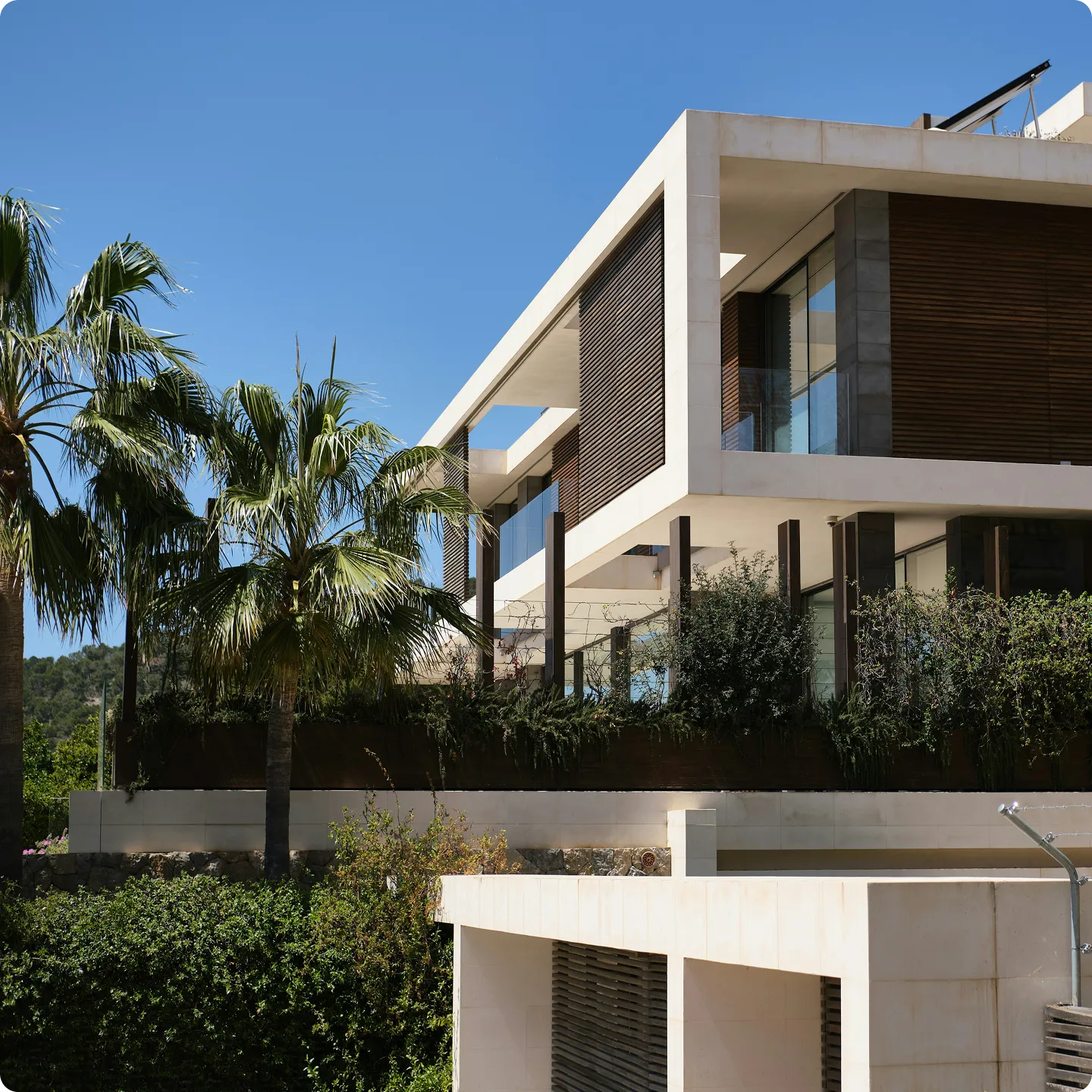
We match people with amazing properties
The Formula Works. Years of passionate data analysis have perfected our formula, making it a beacon of accuracy in real estate investments. Trust in precision that turns data into profit.
Schedule Your Free CallMaximize Your Returns with Smart Tax Strategies
Unlock the full potential of your short-term rental investments with our tailored tax strategy. We ensure your properties not only cash flow but also leverage tax benefits to boost your bottom line. Let us navigate the complexities, so you can enjoy the rewards.
Schedule Your Free Call

Short-Term Rentals are alive and well
No other company matches our expansive collection of properties or our unwavering success streak over the last two years. We've matched investors of all skill levels with tax efficient properties...
Schedule Your Free CallWe're Trusted By the Best in the Business
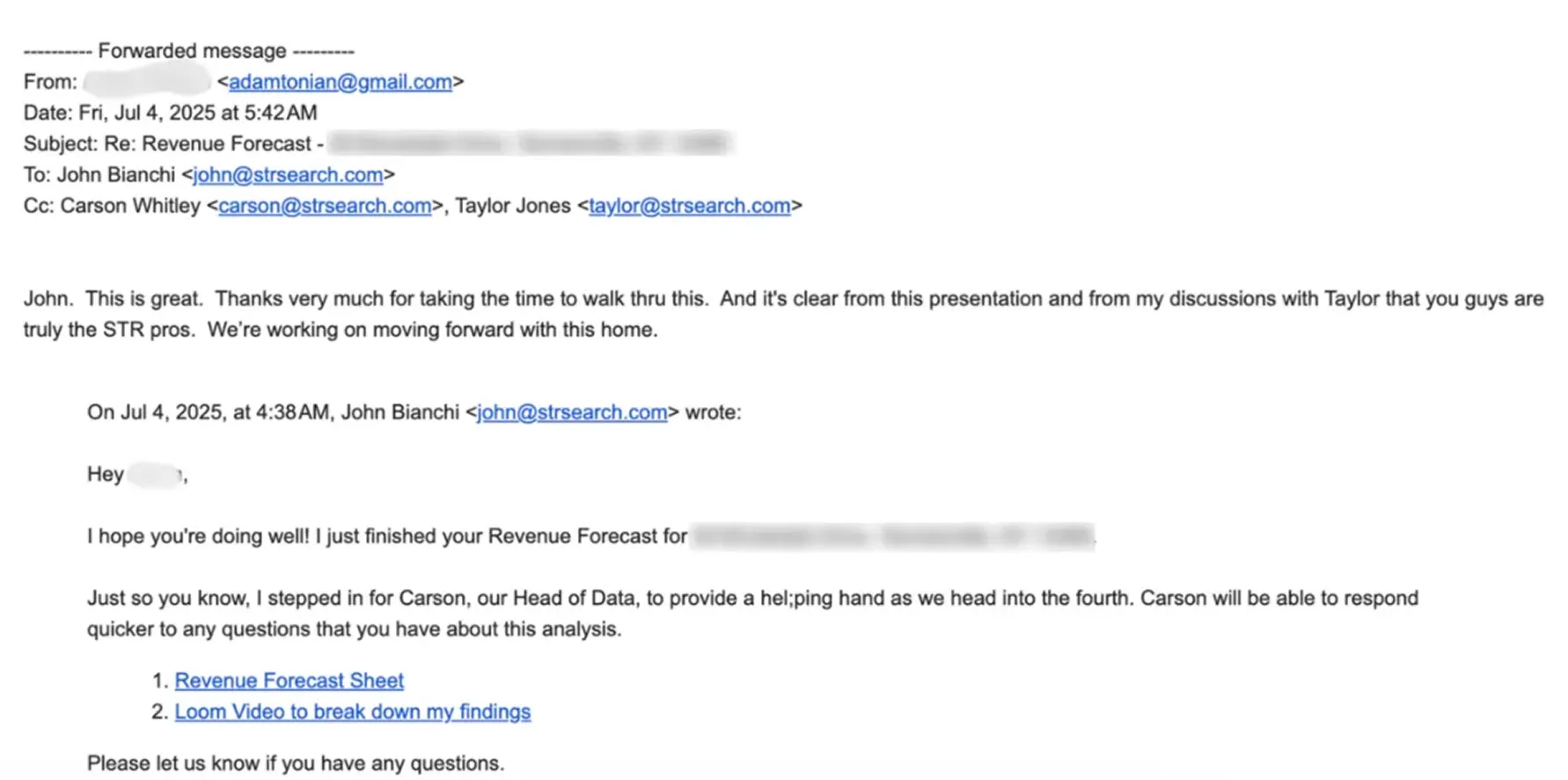
STR Search and the Bianchi Method has gained a reputation among industry leaders as being the front runner in consistently matching people with profitable properties.





Social Proof

Put your money to work & lower your tax bill
We’ve spent years analyzing what works so you don’t have to. Our job is to cut through bad data and help you make smart, profitable decisions backed by real numbers.
Schedule Your Free Call