
Get significant tax savings and earn cash flow by investing in a short-term rental with data-backed selection. No guessing!
Find Your Airbnb InvestmentInvesting in Airbnb properties in Skagway, Alaska, presents a unique investment opportunity primarily driven by its robust cruise ship tourism and historical significance. Current market conditions indicate a strong seasonal demand for accommodations, with peak tourist seasons aligning with cruise schedules. Property values in Skagway are influenced by its remote location and limited inventory, often remaining relatively stable or appreciating steadily due to consistent demand from visitors. The investment potential lies in leveraging the consistent influx of tourists seeking authentic Alaskan experiences, making short-term rentals a viable option for those looking to capitalize on the town's unique appeal and established visitor base.
Based on available data from vacation rental analytics platforms and local market reports, Airbnb properties in Skagway, Alaska typically generate between $800-2,500 monthly during peak cruise season (May through September), with dramatic seasonal variations dropping to $200-600 per month during winter months when tourism virtually ceases. The average annual revenue for a well-positioned property ranges from $8,000-18,000, heavily dependent on proximity to the cruise ship docks and downtown area, with waterfront properties commanding premium rates of $150-300 per night during summer compared to $60-120 for standard accommodations. Key factors affecting earnings include the property's walking distance to cruise terminals, availability during the 150+ ship visits per season, accommodation capacity (with larger properties serving cruise groups earning significantly more), and competition from the limited hotel inventory of approximately 300 rooms town-wide. Properties that cater specifically to pre and post-cruise stays, offer shuttle services, or provide unique Alaskan experiences tend to achieve occupancy rates of 70-85% during peak season, while those further from town center or lacking cruise-focused amenities typically see 40-60% occupancy, with winter months presenting near-zero demand except for occasional winter sports enthusiasts or locals needing temporary housing.
Airbnb investments in Skagway, Alaska typically generate ROI between 12-18% annually due to the town's heavy cruise ship tourism from May through September, with properties averaging $180-250 per night during peak season compared to $80-120 in shoulder months. The payback period for initial investment ranges from 6-8 years, significantly better than the 10-12 year average for long-term rentals in the area, as traditional rental properties in Skagway yield only 6-9% annually with monthly rents averaging $1,200-1,800 for comparable units. The seasonal nature means properties can generate 70-80% of annual revenue in just four months, though investors must factor in higher maintenance costs due to extreme weather, property management challenges during off-season, and the limited local workforce for cleaning and maintenance, making the effective ROI closer to 10-14% after all expenses, still outperforming long-term rentals by 3-6 percentage points annually.
Airbnb occupancy rates in Skagway, Alaska average approximately 45-55% annually, with dramatic seasonal fluctuations driven by the cruise ship tourism season from May through September when occupancy rates can reach 75-85%, while winter months from October through April see occupancy drop to 15-25% due to harsh weather and limited tourist activity. Peak season occurs during July and August when cruise ships bring thousands of visitors daily, pushing occupancy rates to their highest levels, followed by strong performance in June and September as shoulder months. Skagway's annual average occupancy rate of around 50% is slightly higher than Alaska's statewide Airbnb average of approximately 40-45% due to its position as a major cruise destination, but falls below the national U.S. average of roughly 65-70% because of the extreme seasonality and limited year-round tourism infrastructure in this remote Southeast Alaska community of fewer than 1,200 permanent residents.
The Historic Downtown District is the premier Airbnb investment area in Skagway, offering unmatched proximity to cruise ship docks, the White Pass & Yukon Route Railroad depot, and historic attractions like the Klondike Gold Rush National Historical Park, commanding premium rates of $200-400 per night during peak season due to walkability to all major tourist sites. The Broadway Corridor provides excellent investment potential with its mix of restored gold rush era buildings and modern accommodations, benefiting from heavy foot traffic and proximity to shops, restaurants, and the visitor center while maintaining slightly lower acquisition costs than waterfront properties. The State Street Area offers strong returns due to its residential character that appeals to families and longer-stay visitors, with properties typically 2-3 blocks from main attractions but offering more space and parking at moderate price points of $150-250 per night. The Spring Street Neighborhood attracts investors seeking properties with mountain views and quick access to hiking trails while remaining within walking distance of downtown, appealing to adventure-seeking tourists willing to pay $175-300 nightly for scenic accommodations. The 2nd Avenue District provides solid investment opportunities in converted historic buildings with character features that photograph well for listings, benefiting from central location and tourist foot traffic. The Residential Hill Area above downtown offers properties with panoramic views of the Lynn Canal and surrounding mountains, commanding premium rates from guests seeking Instagram-worthy accommodations and peaceful settings while maintaining easy downtown access.
Short-term rental regulations in Skagway, Alaska are relatively minimal compared to larger municipalities, with the city primarily relying on basic business licensing requirements rather than specific STR ordinances. Property owners typically need to obtain a general business license from the City of Skagway, which costs approximately $25-50 annually, and must comply with standard zoning regulations that generally allow short-term rentals in residential and commercial zones without special permits. There are no specific occupancy limits beyond standard building codes, no owner-occupancy requirements, and no mandatory registration system specifically for short-term rentals as of 2023. Properties must meet basic health and safety standards, including proper egress and fire safety measures, and owners are responsible for collecting and remitting the 7% local sales tax on rental income. The city has not implemented recent regulatory changes specifically targeting platforms like Airbnb or VRBO, largely due to Skagway's tourism-dependent economy and relatively small year-round population of around 1,000 residents, though property owners should verify current requirements with the city clerk's office as regulations can evolve with changing community needs and seasonal tourism pressures.
Short-term rentals in Skagway, Alaska are subject to several fees and taxes including a 12% bed tax (lodging tax) collected by the City and Borough of Skagway, which is among the highest municipal lodging taxes in Alaska. Property owners must obtain a business license costing approximately $50-75 annually, plus a short-term rental permit fee of around $100-150 per year. The state of Alaska does not impose a statewide tourism tax, but operators must collect and remit state sales tax if applicable. Additional costs may include fire department inspection fees of $75-100, health department permits where required at $50-75, and potential homeowner association fees. Properties may also be subject to increased property tax assessments if classified as commercial rather than residential use. Registration with the Alaska Department of Revenue for tax purposes is required but typically has no fee, though quarterly tax filings are mandatory for businesses exceeding certain revenue thresholds.
Investing in Airbnb properties in Skagway, Alaska, presents a unique investment opportunity primarily driven by its robust cruise ship tourism and historical significance. Current market conditions indicate a strong seasonal demand for accommodations, with peak tourist seasons aligning with cruise schedules. Property values in Skagway are influenced by its remote location and limited inventory, often remaining relatively stable or appreciating steadily due to consistent demand from visitors. The investment potential lies in leveraging the consistent influx of tourists seeking authentic Alaskan experiences, making short-term rentals a viable option for those looking to capitalize on the town's unique appeal and established visitor base.
Based on available data from vacation rental analytics platforms and local market reports, Airbnb properties in Skagway, Alaska typically generate between $800-2,500 monthly during peak cruise season (May through September), with dramatic seasonal variations dropping to $200-600 per month during winter months when tourism virtually ceases. The average annual revenue for a well-positioned property ranges from $8,000-18,000, heavily dependent on proximity to the cruise ship docks and downtown area, with waterfront properties commanding premium rates of $150-300 per night during summer compared to $60-120 for standard accommodations. Key factors affecting earnings include the property's walking distance to cruise terminals, availability during the 150+ ship visits per season, accommodation capacity (with larger properties serving cruise groups earning significantly more), and competition from the limited hotel inventory of approximately 300 rooms town-wide. Properties that cater specifically to pre and post-cruise stays, offer shuttle services, or provide unique Alaskan experiences tend to achieve occupancy rates of 70-85% during peak season, while those further from town center or lacking cruise-focused amenities typically see 40-60% occupancy, with winter months presenting near-zero demand except for occasional winter sports enthusiasts or locals needing temporary housing.
Airbnb investments in Skagway, Alaska typically generate ROI between 12-18% annually due to the town's heavy cruise ship tourism from May through September, with properties averaging $180-250 per night during peak season compared to $80-120 in shoulder months. The payback period for initial investment ranges from 6-8 years, significantly better than the 10-12 year average for long-term rentals in the area, as traditional rental properties in Skagway yield only 6-9% annually with monthly rents averaging $1,200-1,800 for comparable units. The seasonal nature means properties can generate 70-80% of annual revenue in just four months, though investors must factor in higher maintenance costs due to extreme weather, property management challenges during off-season, and the limited local workforce for cleaning and maintenance, making the effective ROI closer to 10-14% after all expenses, still outperforming long-term rentals by 3-6 percentage points annually.
Airbnb occupancy rates in Skagway, Alaska average approximately 45-55% annually, with dramatic seasonal fluctuations driven by the cruise ship tourism season from May through September when occupancy rates can reach 75-85%, while winter months from October through April see occupancy drop to 15-25% due to harsh weather and limited tourist activity. Peak season occurs during July and August when cruise ships bring thousands of visitors daily, pushing occupancy rates to their highest levels, followed by strong performance in June and September as shoulder months. Skagway's annual average occupancy rate of around 50% is slightly higher than Alaska's statewide Airbnb average of approximately 40-45% due to its position as a major cruise destination, but falls below the national U.S. average of roughly 65-70% because of the extreme seasonality and limited year-round tourism infrastructure in this remote Southeast Alaska community of fewer than 1,200 permanent residents.
The Historic Downtown District is the premier Airbnb investment area in Skagway, offering unmatched proximity to cruise ship docks, the White Pass & Yukon Route Railroad depot, and historic attractions like the Klondike Gold Rush National Historical Park, commanding premium rates of $200-400 per night during peak season due to walkability to all major tourist sites. The Broadway Corridor provides excellent investment potential with its mix of restored gold rush era buildings and modern accommodations, benefiting from heavy foot traffic and proximity to shops, restaurants, and the visitor center while maintaining slightly lower acquisition costs than waterfront properties. The State Street Area offers strong returns due to its residential character that appeals to families and longer-stay visitors, with properties typically 2-3 blocks from main attractions but offering more space and parking at moderate price points of $150-250 per night. The Spring Street Neighborhood attracts investors seeking properties with mountain views and quick access to hiking trails while remaining within walking distance of downtown, appealing to adventure-seeking tourists willing to pay $175-300 nightly for scenic accommodations. The 2nd Avenue District provides solid investment opportunities in converted historic buildings with character features that photograph well for listings, benefiting from central location and tourist foot traffic. The Residential Hill Area above downtown offers properties with panoramic views of the Lynn Canal and surrounding mountains, commanding premium rates from guests seeking Instagram-worthy accommodations and peaceful settings while maintaining easy downtown access.
Short-term rental regulations in Skagway, Alaska are relatively minimal compared to larger municipalities, with the city primarily relying on basic business licensing requirements rather than specific STR ordinances. Property owners typically need to obtain a general business license from the City of Skagway, which costs approximately $25-50 annually, and must comply with standard zoning regulations that generally allow short-term rentals in residential and commercial zones without special permits. There are no specific occupancy limits beyond standard building codes, no owner-occupancy requirements, and no mandatory registration system specifically for short-term rentals as of 2023. Properties must meet basic health and safety standards, including proper egress and fire safety measures, and owners are responsible for collecting and remitting the 7% local sales tax on rental income. The city has not implemented recent regulatory changes specifically targeting platforms like Airbnb or VRBO, largely due to Skagway's tourism-dependent economy and relatively small year-round population of around 1,000 residents, though property owners should verify current requirements with the city clerk's office as regulations can evolve with changing community needs and seasonal tourism pressures.
Short-term rentals in Skagway, Alaska are subject to several fees and taxes including a 12% bed tax (lodging tax) collected by the City and Borough of Skagway, which is among the highest municipal lodging taxes in Alaska. Property owners must obtain a business license costing approximately $50-75 annually, plus a short-term rental permit fee of around $100-150 per year. The state of Alaska does not impose a statewide tourism tax, but operators must collect and remit state sales tax if applicable. Additional costs may include fire department inspection fees of $75-100, health department permits where required at $50-75, and potential homeowner association fees. Properties may also be subject to increased property tax assessments if classified as commercial rather than residential use. Registration with the Alaska Department of Revenue for tax purposes is required but typically has no fee, though quarterly tax filings are mandatory for businesses exceeding certain revenue thresholds.
* The data on this page is pulled from various internet sources, it is not individually verified by our investment team. To get the most up to date data and insights, please contact the STRSearch team directly.
How Smart Investors Build Wealth
Through Data-Driven STRs (Real Results)
From first-time investors to seasoned pros, see how our commitment to comprehensive data analysis led to unparalleled investment victories.

From zero real estate experience to a thriving short-term rental business, Allison locked in $120K in revenue her first year and is now expanding with STR Search again. Proof that the right team can turn analysis paralysis into profitable action!

Thanks to John's expert guidance, I made my first real estate and Airbnb investment a massive success, with consistent positive cash flow and an exceptional return on investment!

John's training gave me the confidence to secure a loan on the spot and scale from one STR to three. His approach is a total game-changer!
Why Choose STR Search?

Put your money to work & lower your tax bill
We’ve spent years analyzing what works so you don’t have to. Our job is to cut through bad data and help you make smart, profitable decisions backed by real numbers.
Schedule Your Free CallTrusted by hundreds of successful investors
Generate $3-5K+ monthly cash flow with our proven property matching system.
Build long-term wealth through STRs with cash flow, equity, and bonus depreciation.
Skip 6-12 months of trial and error with our data-driven underwriting and market analysis
We have a 100% success rate across $90M+ in Real Estate
Out of the 275+ properties we've helped our clients buy every single one has been profitable.
You want more money. More time. More freedom. But may be stuck trading hours for dollars, and scaling your investment strategy feels out of reach.
While others are getting lost in analysis paralysis, you’ve got capital and drive to change your situation. Investors who choose the right STRs can generate $3–5K/month in cash flow, plus serious tax benefits and long-term wealth.
We’ve spent years obsessed with STR investing data so you don’t have to.
With our property match services, there’s no guesswork! Just profitable properties built to perform. With the right deal, your capital can buy more than returns. It can buy your freedom.





All The Ways We Can Help You
Free courses, services, and trainings, to help you maximize your earnings from AirBnb...

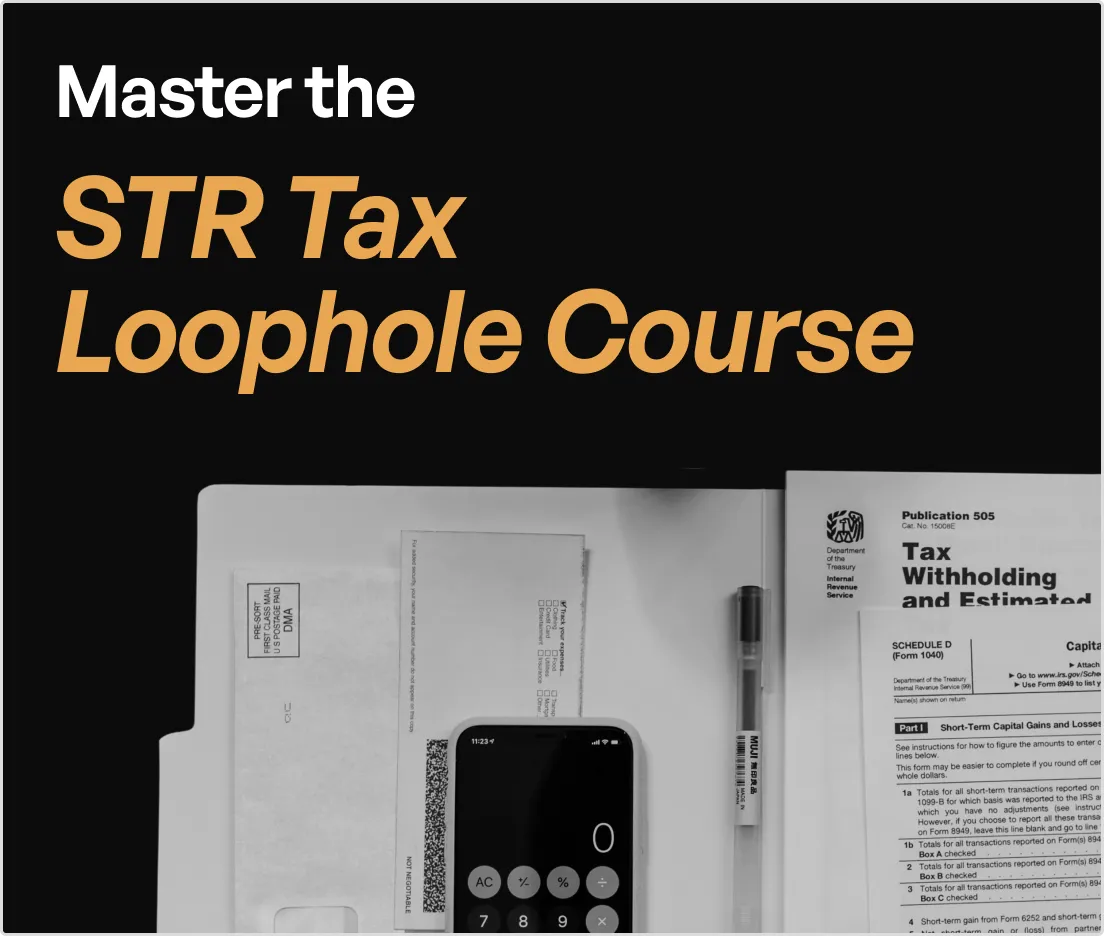

Get in touch with us.
Everything Smart Investors Ask About STR Wealth Building
To start an Airbnb in Skagway, Alaska, begin by researching local regulations through the Skagway Municipality office, as the city requires short-term rental permits and business licenses, with properties typically needing to comply with fire safety codes and zoning restrictions that limit rentals in certain residential areas. Obtain necessary permits including a business license from the City of Skagway (approximately $50-100 annually), a short-term rental permit (around $200-300), and ensure compliance with Alaska Department of Revenue tax requirements for transient accommodations tax. Find property by working with local real estate agents like Skagway Real Estate or searching online platforms, focusing on areas near the cruise ship docks and historic downtown district where tourist demand is highest, with properties ranging from $200,000-600,000 depending on size and location. Furnish the space with durable, Alaska-themed decor and essential amenities including heating systems capable of handling winter temperatures down to -20°F, quality bedding, kitchen supplies, and tourist information about local attractions like the White Pass & Yukon Route Railroad and Klondike Gold Rush National Historical Park. List your property on Airbnb, VRBO, and local tourism websites, highlighting proximity to cruise terminals and historic attractions, with rates typically ranging from $150-400 per night during peak summer season (May-September). Manage the property by establishing relationships with local cleaning services, maintenance contractors familiar with Alaska building requirements, and consider hiring a local property management company since Skagway's remote location and seasonal accessibility can make hands-on management challenging, while also preparing for the dramatic seasonal fluctuation where occupancy drops significantly from October through April.
To identify profitable short-term rental properties in Skagway, Alaska, focus on locations within walking distance of the cruise ship docks and downtown historic district, as approximately 1 million cruise passengers visit annually between May and September, with properties closest to Broadway Street and the White Pass & Yukon Route Railroad commanding premium rates of $200-400 per night during peak season. Target 2-4 bedroom properties with Alaska-themed décor, mountain or waterfront views, parking spaces, and amenities like hot tubs or fireplaces that appeal to tourists seeking authentic experiences, while ensuring properties have reliable heating systems for shoulder seasons. Conduct pricing analysis using AirDNA and STR data showing seasonal occupancy rates reaching 85-95% in summer months but dropping to 10-20% in winter, requiring annual revenue projections of $40,000-80,000 to offset 6-month low seasons. Research competition through Airbnb and VRBO searches revealing approximately 50-75 active STR properties in the area, with successful operators like those managing cabins near Dyea Road or historic downtown buildings achieving higher per-night rates through unique positioning. Utilize tools including the Skagway Convention & Visitors Bureau tourism data, Alaska MLS for property acquisition, local property management companies like Skagway Home Services for operational support, and monitor cruise line schedules from Princess, Norwegian, and Celebrity Cruises to optimize booking calendars and pricing strategies around peak arrival days.
To obtain an Airbnb/STR permit in Skagway, Alaska, you must first contact the Skagway Municipality Planning Department at 700 Spring Street or call (907) 983-2297 to request a Conditional Use Permit application, as short-term rentals require special approval in residential zones. Submit the completed application along with a site plan showing your property layout, proof of property ownership or lease agreement, a business license application, liability insurance documentation (minimum $1 million coverage), and a waste management plan detailing garbage and recycling procedures. The application fee is approximately $150 for the conditional use permit plus $50 for the business license, and you may need to pay additional fees for public notice publication (around $75). The process typically takes 4-6 weeks and includes a public hearing before the Planning Commission, where neighbors can voice concerns. Skagway-specific requirements include maintaining adequate parking spaces (minimum one per rental unit), ensuring compliance with the International Building Code for occupancy limits, providing emergency contact information to the municipality, and adhering to noise ordinances particularly during summer tourist season. Once approved, you must display your permit number in all online listings and renew annually by December 31st, with renewal fees of approximately $100, and maintain records of all guests for municipal inspection upon request.
Short-term rentals (STRs) are legal in Skagway, Alaska, but operate under municipal regulations established around 2018-2019. The Municipality of Skagway requires STR operators to obtain a business license and comply with zoning restrictions that primarily allow rentals in residential and mixed-use areas while limiting them in certain historic district zones. Properties must meet safety standards including smoke detectors, carbon monoxide detectors, and emergency egress requirements, with occupancy limits typically based on bedroom count and square footage. The city implemented a registration system requiring annual renewals and mandates that operators provide local contact information for guest issues, maintain guest registries, and ensure compliance with noise ordinances and parking requirements. Recent changes have included stricter enforcement of existing regulations and enhanced penalties for non-compliance, particularly regarding unregistered operations and violations of occupancy limits, as the community balances tourism revenue with residential neighborhood character preservation in this popular cruise ship destination.
The most promising Airbnb investment areas in Skagway, Alaska are the Historic Downtown District, particularly properties within walking distance of Broadway Street and the cruise ship docks, as this area captures the majority of the 900,000+ annual cruise passengers who visit between May and September. The South End residential area near the Skagway River offers attractive investment potential due to its proximity to the White Pass & Yukon Route Railroad depot, a major tourist attraction, while providing guests with scenic mountain and river views. Properties near the Small Boat Harbor and Ore Dock area are valuable for their waterfront access and appeal to independent travelers arriving by ferry or private vessel. The Dyea Road corridor, leading to the historic Chilkoot Trail trailhead, presents opportunities for adventure tourism accommodations, as thousands of hikers attempt this famous Gold Rush trail annually. Areas close to the Klondike Gold Rush National Historical Park visitor center benefit from year-round educational tourism, though peak season remains crucial, and properties with mountain views toward the Sawtooth Range or White Pass command premium rates due to Skagway's dramatic alpine setting and its role as a key stop on the Inside Passage cruise route.
Airbnb hosts in Skagway, Alaska are subject to a 12% bed tax (transient occupancy tax) on all short-term rental bookings under 30 days, which is collected by the City and Borough of Skagway and applies to all lodging accommodations including vacation rentals. The tax is typically collected from guests at the time of booking through Airbnb's automatic tax collection system, which remits payments directly to the municipality on behalf of hosts, though hosts should verify their registration status with the city clerk's office. Additionally, hosts may be subject to Alaska's statewide sales tax of 0% (Alaska has no state sales tax) but must collect and remit the local Skagway sales tax of approximately 2.5% on the total rental amount including cleaning fees. Remittance is generally required monthly by the 15th of the following month using the city's tax filing system, and hosts must obtain a business license and transient accommodation permit from Skagway before operating. Exemptions typically include rentals to permanent residents establishing residency for work purposes exceeding 30 days, government employees on official business, and in some cases military personnel, though documentation is required to qualify for these exemptions.
Starting an Airbnb in Skagway, Alaska requires significant upfront investment due to the remote location and seasonal tourism market. Property purchase costs average $350,000-$450,000 for a suitable 2-3 bedroom home near the cruise ship docks and downtown area, with limited inventory driving prices higher than typical Alaskan markets. Furnishing costs range $15,000-$25,000 for quality furniture, appliances, linens, and décor that can withstand heavy tourist use and harsh weather conditions. Initial setup expenses including professional photography, listing optimization, and basic renovations total approximately $5,000-$8,000. Permits and fees include business license ($150), short-term rental permit ($300), fire safety inspection ($200), and potential homeowner association fees totaling around $1,000-$1,500. Insurance costs run $2,500-$4,000 annually for comprehensive coverage including liability and property protection. Utilities average $300-$500 monthly for electricity, heating, water, internet, and cable, with higher winter heating costs. First six months operating expenses including utilities ($2,400), cleaning services ($3,600), supplies and maintenance ($2,000), marketing ($1,000), and property management software ($300) total approximately $9,300. The complete startup investment ranges from $383,200 to $498,300, though seasonal revenue potential during the May-September cruise season can generate $40,000-$80,000 annually for well-positioned properties.
Airbnb properties in Skagway, Alaska demonstrate strong seasonal profitability with average daily rates ranging from $150-300 during peak cruise season (May-September) when the town's population swells from 1,200 to over 3,000 daily visitors. Properties typically achieve 70-85% occupancy rates during summer months, generating annual revenues of $25,000-45,000 for well-positioned units, while expenses including utilities ($2,400 annually), cleaning fees ($50-75 per turnover), property management (15-25% of revenue), insurance ($1,800-2,500), and maintenance average $12,000-18,000 yearly. Profit margins generally range from 35-55% for established properties, with success factors including proximity to the cruise ship docks, historic downtown location, unique Alaskan theming, and professional photography showcasing mountain and waterfront views. Properties within walking distance of the White Pass & Yukon Route Railroad and Klondike Gold Rush National Historical Park command premium rates, while those offering amenities like kitchenettes, WiFi, and local guidebooks see higher guest satisfaction scores. The extreme seasonality requires hosts to maximize summer earnings to offset minimal winter bookings, with many properties achieving break-even by July and generating most annual profits between June and August when cruise lines like Princess, Holland America, and Norwegian bring peak visitor traffic to this gateway town for Klondike Gold Rush tourism.
Airbnb investments in Skagway, Alaska typically generate annual ROI of 12-18% due to the town's heavy cruise ship tourism from May through September, with properties commanding $150-300 per night during peak season. Cash-on-cash returns generally range from 8-14% annually, as investors can expect 60-80% occupancy rates during the 5-month tourist season while properties remain largely vacant during winter months. Most investors reach profitability within 3-4 years, with properties near the historic downtown district and cruise ship docks performing best, though success heavily depends on seasonal tourism patterns and the ability to maximize bookings during Skagway's compressed but lucrative summer season when over 1 million cruise passengers visit annually.
STRSearch is a national platform that specializes in identifying profitable short-term rental investment properties across markets including Skagway, Alaska. For local expertise in Skagway, Frontier Excursions & Adventures Real Estate and Skagway Realty Group offer specialized knowledge of the tourism-driven rental market, while Alaska Premier Properties provides statewide investment property services. National services like Mashvisor, BiggerPockets, and AirDNA offer market analysis tools specifically for Airbnb investments in Alaska markets. Vacasa and RedAwning provide property management services for short-term rentals in Skagway, while companies like STR Wealth and Short Term Rental University offer consulting services for investors looking to enter the Alaskan vacation rental market. Local property managers such as Skagway Property Management and Southeast Alaska Vacation Rentals can assist with both acquisition advice and ongoing management of Airbnb properties in this cruise ship destination market.
Put your money to work & lower your tax bill
We’ve spent years analyzing what works so you don’t have to. Our job is to cut through bad data and help you make smart, profitable decisions backed by real numbers.
Schedule Your Free Call