
Moab Airbnb Rules & Investment Guide (2026)

Evaluate zoning eligibility, license transfer risk, inspections, operating controls, taxes, and acquisition contingencies before underwriting a Moab nightly rental.

Find Your Airbnb Investment
Moab, Utah market research

Moab Airbnb Investment Overview

Moab regulates paid stays of 30 consecutive days or less as nightly rentals. City zoning sharply limits residential short-term rentals, so investors must verify the parcel, existing land-use status, license history, and private restrictions before committing capital.

Zoning permissionRequired
July 1Annual renewal
10 peopleStandard occupancy cap
16.42%through Sept. 30, 2026
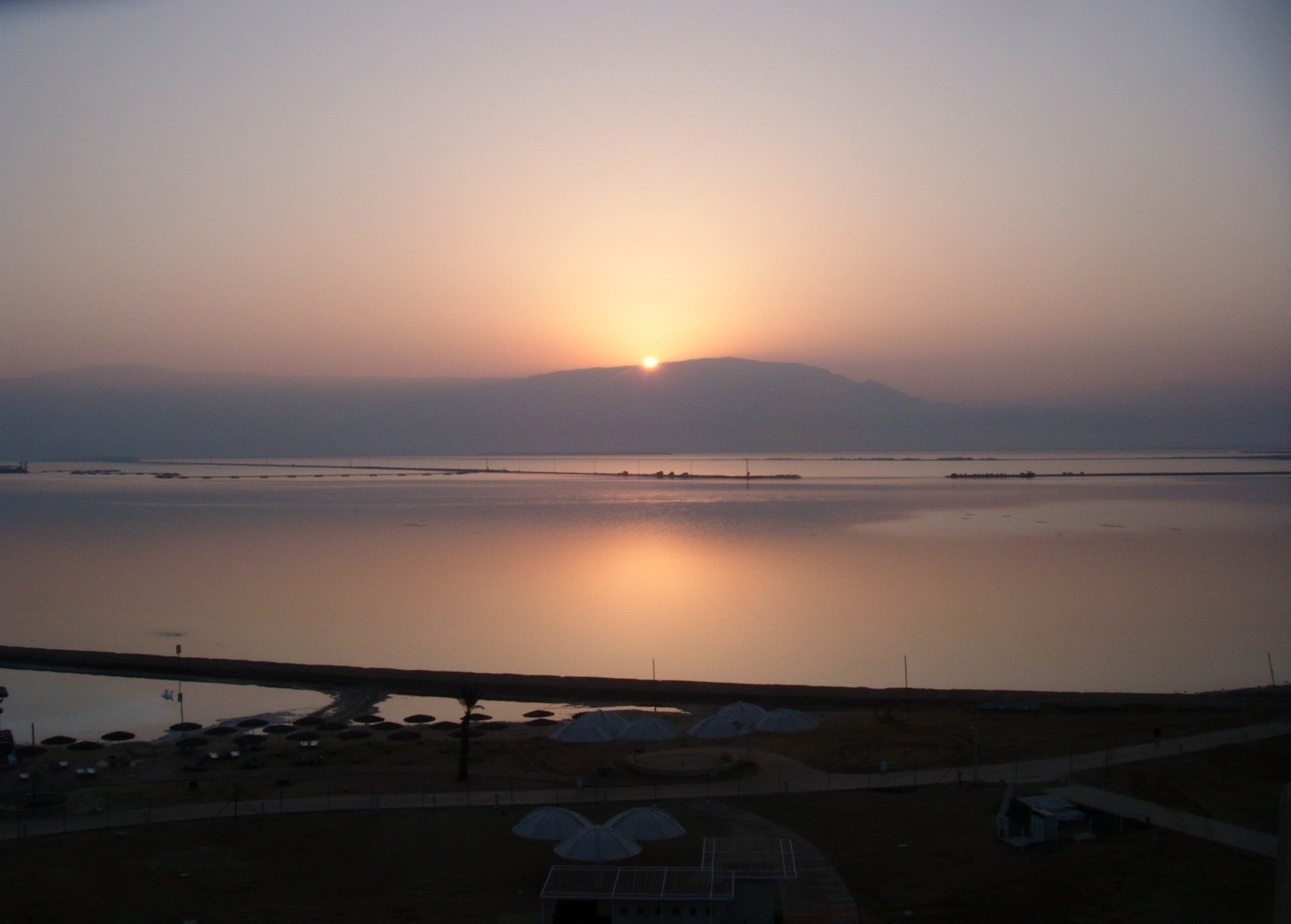
Sunrise over the red mountains near Moab, Utah
Sunrise over the mountains near Moab. CC0 image from Wikimedia Commons.
Decision point

Moab Nightly Rental Investment Decision

A Moab acquisition begins with verified land-use permission and a property-specific license path, not market-wide revenue projections.

  • Confirm the address is inside Moab city limits before applying City rules; nearby Grand County properties require separate county review.
  • Obtain written zoning confirmation that nightly rental is a permitted land use for the parcel and building.
  • Treat any existing license as nontransferable and require a new-license feasibility review before closing.
  • Model the current lodging-tax rate, license fees, utilities, insurance, maintenance, platform charges, and management costs.
  • Make the offer contingent on zoning, City licensing, Building Inspector, Fire Chief, Health Department, title, and private-use review.
Jurisdiction

Moab City Limits and Nightly Rental Scope

Moab defines a nightly rental as compensated occupancy of residential property for 30 consecutive days or less.

  • The definition includes residential property within a commercial building and bed-and-breakfast operations.
  • A Moab mailing address does not prove that the parcel lies inside City boundaries.
  • City Code Section 17.09.700 prohibits residential STRs in listed zones and every zone where the use is not expressly permitted.
  • Limited exceptions exist for qualifying-participant accommodations, compliant bed-and-breakfast facilities, and compliant guest apartments.
  • Use the City zoning map and a written Planning determination rather than a listing description or prior rental activity.
Licensing

Moab Nightly Rental Business License

No person may operate a nightly rental inside Moab without first obtaining and maintaining a valid nightly rental business license.

  • The license must be in the property owner’s name, although an authorized agent may apply.
  • Each property needs a separate license; one individual owner may list up to four locations on an application, with fees assessed for each location.
  • Property managers may not combine properties belonging to multiple owners on one license.
  • A DBA used by the owner must be registered with the Utah Department of Commerce.
  • The current master fee schedule lists $250 initial and $52 renewal fees for nightly rentals of four units or fewer.
Approval

Moab Application and Inspection Review

License issuance depends on zoning eligibility, a complete application, and approval of the plans and property.

  • Apply through the City Treasurer and include the general business-license materials required by Section 5.04.030.
  • Document tax registration, reporting, and remittance for each location under Utah State Tax Commission requirements.
  • Show compliance with the nightly-rental operating standards in Chapter 5.67.
  • Building Inspector, Fire Chief, and Health Department inspection and approval are required before issuance.
  • City processing may range from about three days to six weeks depending on the license and required approvals.
Operations

Moab Occupancy and Guest Operations

A licensed Moab nightly rental must remain within its approved occupancy, stay, safety, and response conditions.

  • No individual or group may stay for more than 30 consecutive days under a nightly-rental booking.
  • Maximum occupancy is 10 unless the Fire Chief approves greater occupancy based on an acceptable fire-suppression system.
  • Each sleeping room must have smoke and carbon monoxide detectors.
  • The owner or property manager must provide current or past occupant information when police, emergency, or City personnel request it.
  • The owner or property manager must respond to complaints or concerns within one hour of notification.
Renewal

Moab Renewal and Property Transfer

The nightly-rental license renews annually on July 1 only when the original approval conditions remain unchanged.

  • Recheck land use, ownership, management, and operating conditions before each renewal.
  • A license cannot be assigned to another owner, business entity, or property.
  • After a sale or transfer, a new owner intending to continue nightly rental must apply for a new license within 10 business days.
  • Do not value an acquisition as though the seller’s City license will transfer at closing.
  • Confirm current renewal materials and fees with the Treasurer before filing.
Taxes

Moab Lodging Taxes and Filing

Temporary lodging is subject to Utah sales and transient-room taxes, and the exact rate must be sourced to the property address and filing period.

  • The Utah State Tax Commission rate chart lists a 16.42% total transient-room rate through September 30, 2026, followed by 15.92% beginning October 1, 2026.
  • That total includes the combined sales-and-use rate plus applicable state, county, municipal, and additional transient-room components.
  • Chapter 5.67 requires collection and payment of state transient-room tax, state sales tax, City resort-community sales tax, and City municipal transient-room tax.
  • Platform collection does not remove the operator’s duty to verify registration, marketplace treatment, returns, and amounts not collected by a platform.
  • Confirm the filing-period rate through the Utah Tax Commission address lookup before pricing or filing.
Enforcement

Moab Violations, Revocation, and Appeals

Unlicensed operation, prohibited residential use, and violations of license standards can trigger criminal, civil, and licensing action.

  • The City identifies residential-zone STRs and businesses operating without a license as code-compliance priorities.
  • Operating a dwelling as a nightly rental without the required license is a Class A misdemeanor, with a fine imposed for each continuing day.
  • The City may elect civil enforcement, seek an injunction, and recover reasonable attorney fees and court costs.
  • Operating-standard violations may support license revocation under Chapter 5.67.
  • License denial and revocation have appeal procedures under Sections 5.04.050 and 5.04.090; preserve notices and filing deadlines.
Contacts

Moab Nightly Rental Contacts and Support

Route questions to the office responsible for the decision, filing, tax, complaint, or property review.

For parcel-specific zoning, transfer, and operating questions, plan a Moab property strategy call before committing capital. STR Search can assist with property selection and setup planning, while Moab remains the licensing and land-use authority.

Moab investor questions

Moab Airbnb Investment FAQs

How do I start an Airbnb in Moab, Utah?

Start with jurisdiction and zoning, then build the license, inspection, tax, and operating plan around a specific property.

  • Confirm that the parcel is inside Moab city limits and that nightly rental is a permitted land use in its zoning district.
  • Apply for the owner-named nightly-rental business license through the City Treasurer.
  • Complete Building Inspector, Fire Chief, and Health Department review before opening.
  • Register and verify sales and transient-room tax obligations with the Utah State Tax Commission.
How can I identify a suitable Moab STR property?

Screen each property for land-use permission, license feasibility, transfer risk, safety approval, and private restrictions before underwriting income.

  • Obtain parcel-specific zoning confirmation from Moab Planning.
  • Check legal dwelling status, building records, fire-suppression conditions, parking, utilities, and code history.
  • Review title, HOA covenants, lender terms, and insurance independently from City approval.
  • Do not assume that a seller’s nightly-rental license transfers with the property.
How do I obtain a Moab nightly-rental license?

Submit the nightly-rental application to the City Treasurer after confirming that the use is allowed by zoning.

  • The license is issued in the property owner’s name, though an agent may apply.
  • Provide the general business-license materials and location-specific Utah tax registration.
  • Demonstrate compliance with Chapter 5.67 operating standards.
  • Obtain required Building Inspector, Fire Chief, and Health Department approval.
Is a short-term rental legal at every Moab property?

Moab prohibits residential STRs in the listed zones and in every zone that excludes short-term rental from its permitted uses.

  • Limited code exceptions cover qualifying-participant accommodations and compliant bed-and-breakfast or guest-apartment uses.
  • A mailing address, existing listing, or prior rental history does not establish legal eligibility.
  • Planning must confirm the parcel and proposed use under current zoning.
How should I evaluate Moab STR locations?

Compare verified parcel constraints rather than relying on unsupported neighborhood rankings.

  • Confirm City or Grand County jurisdiction first.
  • Compare zoning, legal dwelling status, license history, fire access, utilities, parking, and private restrictions.
  • Use property-specific comparable bookings only after legal feasibility is established.
  • Require written answers for any land-use or approval condition that affects the purchase.
What lodging taxes apply to a Moab Airbnb?

Moab temporary lodging is subject to sales and transient-room taxes, with rates determined by the property address and filing period.

  • The Utah State Tax Commission chart lists a 16.42% total transient-room rate through September 30, 2026, followed by 15.92% beginning October 1, 2026.
  • Chapter 5.67 requires applicable state, county, resort-community, and municipal tax collection and payment.
  • Confirm marketplace collection and the operator’s remaining registration and filing duties.
  • Use the State address lookup before pricing or filing because rates can change.
What costs belong in a Moab STR budget?

Build the budget from the actual property, required approvals, and chosen operating model rather than generic market estimates.

  • Include purchase and financing costs, inspections, the $250 initial City license fee, tax registration, and any required building or fire work.
  • Price furnishings, utilities, insurance, cleaning, maintenance, platform fees, supplies, and local management from written quotes.
  • Apply the lodging-tax rate in effect for the filing period to guest pricing and cash-flow timing.
  • Carry reserves for seasonal variation, repairs, and approval-related work.
Can a Moab Airbnb be profitable?

Profitability depends on the property’s legal eligibility, acquisition basis, booking performance, and complete expense load.

  • Use address-specific comparable listings and separate available nights from booked nights.
  • Model taxes, utilities, insurance, cleaning, maintenance, platform charges, management, debt service, and reserves.
  • Run downside cases for lower rates, fewer booked nights, repair costs, and delayed approvals.
  • Do not rely on unsupported citywide revenue or occupancy averages.
How should I calculate return on a Moab STR?

Calculate returns from property-specific cash flows after validating zoning and license feasibility.

  • Cash-on-cash return equals annual pre-tax cash flow divided by total cash invested.
  • Cap rate compares stabilized net operating income with purchase price and excludes debt service.
  • Separate operating return from appreciation assumptions and financing effects.
  • Test renewal, tax, maintenance, management, and occupancy changes before setting a return threshold.
Who can help with a Moab STR decision?

Use Moab officials for legal eligibility and licensing, qualified advisers for legal and tax issues, and STR Search for property-selection and setup planning.

  • Moab Planning and Building handles zoning and inspection questions at 435-259-5129.
  • The City Treasurer handles business licensing and renewals at 435-259-5123.
  • Code Compliance accepts complaints at compliance@moabcity.org and 435-268-1715.
  • STR Search can help assess a candidate property and operating plan, but cannot replace City approval.