
Seminole Airbnb Rules & Investment Guide (2026)

Evaluate a Seminole short-term rental with city-limit verification, property-level zoning research, Florida lodging licensing, tax registration, and operating-cost diligence.

Find Your Airbnb Investment
Seminole, Florida market research

Seminole, Florida Airbnb Investment Overview

City jurisdictionVerify SM tax district
State licenseDBPR may be required
Local business taxRequired inside city limits
Lodging taxesState, surtax, and county
Decision point

Seminole Short-Term Rental Investment Decision

A Seminole purchase should pass jurisdiction, land-use, licensing, tax, title, and operating-cost checks before projected revenue enters the decision.

  • Confirm the parcel is inside City of Seminole limits by checking the Pinellas County Property Appraiser tax district. The City identifies its code as SM.
  • Ask City Community Development to confirm whether the proposed transient use is allowed for the parcel and dwelling type. A platform listing does not prove lawful use.
  • Price Florida DBPR licensing, City and County business tax receipts, lodging taxes, insurance, utilities, cleaning, maintenance, reserves, and management before setting an offer ceiling.
  • Review deed, condominium declaration, cooperative documents, lease terms, and association rules for rental-duration or guest restrictions.
  • Treat marketwide revenue, occupancy, and nightly-rate estimates as leads for property-specific diligence, not guaranteed performance.
Jurisdiction

Seminole City Limits and Tax District Check

A Seminole mailing address can fall outside the incorporated city. The responsible agencies and local requirements depend on the parcel boundary.

  • Use the Pinellas County Property Appraiser record to identify the tax district. The City says SM identifies property inside Seminole.
  • If the parcel is in the City, obtain written zoning guidance from City Community Development before relying on a short-term-rental plan.
  • If the parcel is in unincorporated Pinellas County, review the County Short-Term Rental Certificate of Use program instead of assuming City requirements apply.
  • Do not confuse the City of Seminole in Pinellas County with Seminole County in central Florida. Their vacation-rental rules and agencies are different.
  • Save the parcel record, agency response, and date reviewed in the acquisition file.
State license

Florida Vacation Rental License

Florida DBPR licenses qualifying vacation-rental dwellings and condominiums. The correct classification depends on the unit type and operator.

  • DBPR says an entire unit generally needs a vacation-rental license when rented more than three times per year for stays shorter than 30 days or one calendar month, or regularly advertised for transient rent.
  • A dwelling license covers houses, townhouses, and buildings with four or fewer units. A condominium license covers condominium or cooperative units.
  • Renting only a room is not classified by DBPR as public lodging, but local zoning, business, tax, lease, and association rules may still apply.
  • Each rental address must be reported through the license holder’s DBPR account. License structure may be single, group, or collective.
  • Display the current license, maintain the property in safe condition, and review fire, sanitation, balcony, and employee-training duties that apply to the operation.
Registration

Seminole and Pinellas Business Tax Receipts

The City states that a business inside Seminole city limits must hold a current Local Business Tax Receipt unless state law provides an exemption.

  • Confirm the City jurisdiction first. A Seminole postal address does not by itself establish the City business-tax obligation.
  • Contact the City Building Division about zoning clearance and the City Local Business Tax Receipt before opening or advertising.
  • Check whether a separate Pinellas County Local Business Tax Receipt applies to the rental activity.
  • Keep receipt numbers, renewal dates, applications, and agency correspondence with the property compliance file.
  • Evaluate zoning approval, a DBPR lodging license, tax registration, and association consent separately from the business tax receipt.
Taxes

Seminole State and County Lodging Taxes

Florida transient accommodations rented for six months or less generally trigger state sales tax, applicable surtax, and local tourist development tax.

  • Register with the Florida Department of Revenue when the rental activity is taxable and confirm the correct filing frequency.
  • Pinellas County currently lists a 6% Tourist Development Tax on taxable short-term accommodation charges. Confirm the current rate before each filing period.
  • Florida also imposes 6% state sales tax, plus any applicable discretionary sales surtax. Apply current sourcing and taxable-charge rules rather than using a single assumed combined rate.
  • Confirm whether a marketplace collects each tax on each booking channel. Operator liability can remain for direct bookings or taxes the platform does not collect.
  • Reconcile gross rent, taxable fees, exemptions, platform remittances, and filed returns. Retain records supporting every filing.
Operations

Seminole STR Safety and Guest Controls

State lodging duties, local nuisance rules, and private restrictions all shape the day-to-day operating plan.

  • Maintain smoke detection, safe electrical systems, clean bedding, pest control, and other DBPR lodging standards that apply to the unit.
  • Confirm occupancy, parking, trash, noise, pool, fire, and emergency-access requirements with the responsible City, County, and fire authorities.
  • Give guests written house rules that match enforceable law and recorded private restrictions. Do not invent legal limits.
  • Keep a reachable local response contact and a documented process for complaints, maintenance, and emergencies.
  • Check insurance coverage for transient occupancy and disclose the intended use accurately to the carrier and lender.
Enforcement

Seminole STR Complaint and Violation Risk

A lawful opening is not permanent immunity. Zoning, business-tax, lodging, tax, safety, and nuisance failures can create separate enforcement paths.

  • City Code Enforcement can investigate municipal code complaints. DBPR, Florida DOR, Pinellas County, and fire officials enforce their own requirements.
  • Advertising before confirming lawful use can create evidence of an unauthorized operation even when no guest has checked in.
  • Expired licenses or receipts, unreported addresses, unpaid taxes, and repeated nuisance incidents can jeopardize continued operation.
  • Review open permits, code cases, liens, and prior enforcement history before purchase. Resolve discrepancies in writing.
  • Budget for compliance updates and periods when the property cannot lawfully accept bookings.
Due diligence

Seminole STR Acquisition Checklist

The most useful underwriting record is a parcel-specific file that another reviewer can reproduce.

  • Property: tax district, zoning designation, future land use, dwelling type, legal unit count, permits, certificates, code cases, liens, and flood information.
  • Private restrictions: deed, declaration, bylaws, rules, lease, lender terms, and insurer approval for transient occupancy.
  • Licensing: written City zoning response, City and County business tax receipts, DBPR classification, application status, and renewal calendar.
  • Taxes: Florida DOR registration, Pinellas tourist tax account, platform collection settings, direct-booking process, and record-retention workflow.
  • Operations: occupancy assumptions, parking, local response, safety equipment, cleaning, utilities, maintenance, reserves, and exit plan.
Contacts

Seminole STR Contacts and Property Research

Use official agencies to resolve parcel-specific questions before a purchase contract becomes difficult to unwind.

  • City of Seminole Building and Community Development: jurisdiction, zoning, permits, and Local Business Tax Receipt questions.
  • City Code Enforcement: municipal code cases, complaint process, and compliance history.
  • Pinellas County Property Appraiser: parcel ownership, tax district, legal description, and jurisdiction clues.
  • Florida DBPR Division of Hotels and Restaurants: vacation-rental classification, licensing, unit addresses, and lodging standards.
  • Florida Department of Revenue and Pinellas County Tax Collector: sales, surtax, and tourist development tax registration and filing.

For parcel-specific questions, plan a Seminole property strategy call before committing capital.

Primary sources

Seminole Official STR Sources

Official sources checked September 28, 2026. Recheck them before purchase and before opening because rules, rates, fees, and forms change.

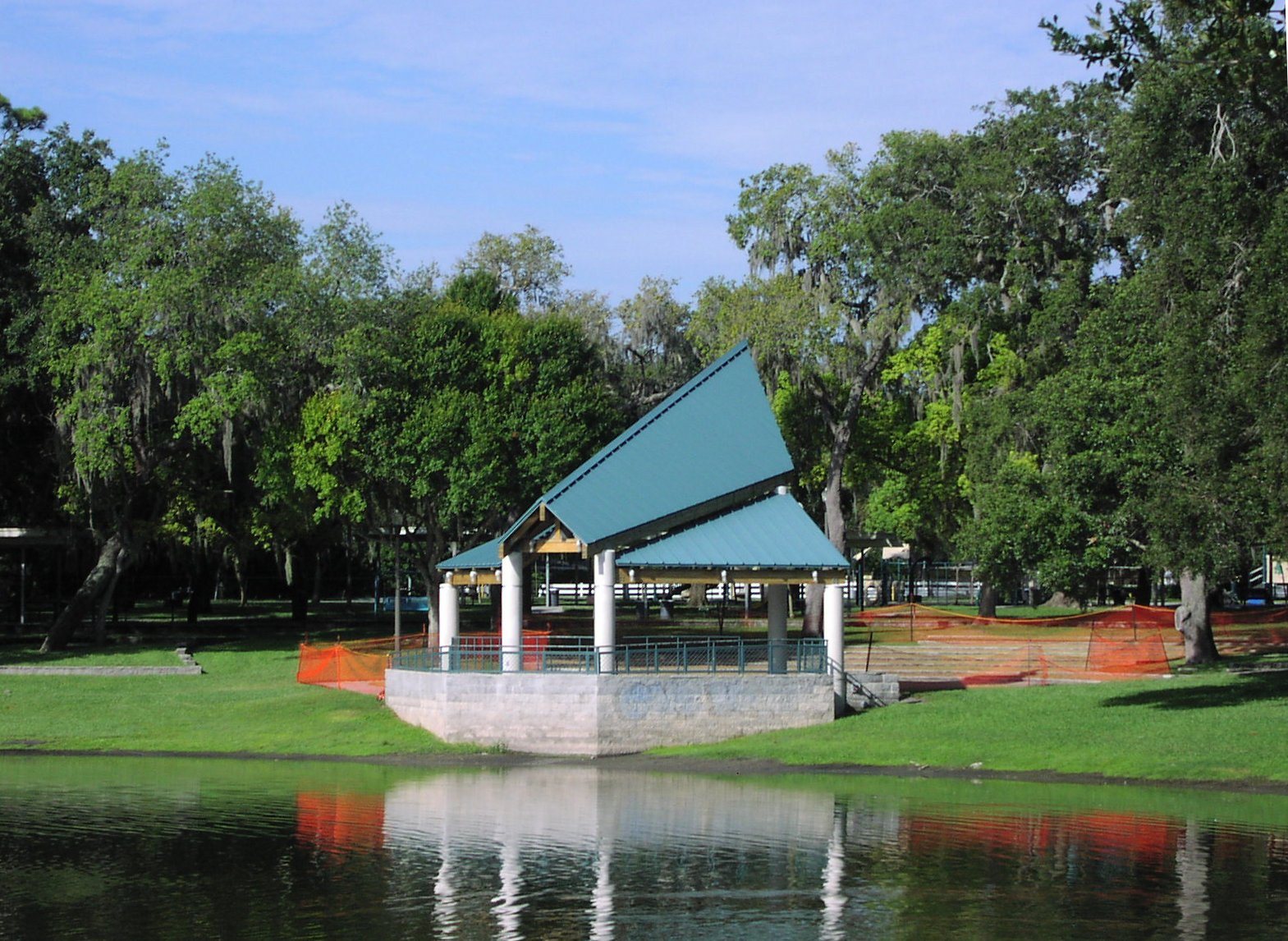
Trees and walking paths in Seminole City Park, Seminole, Florida
Seminole City Park. Photo by AbeEzekowitz, CC BY-SA 3.0.
Common questions

Seminole Airbnb Investment FAQs

How should an investor start evaluating a Seminole short-term rental?

Start with parcel jurisdiction, zoning, and private restrictions before modeling income.

  • Confirm whether the parcel is inside the City of Seminole, in another municipality, or in unincorporated Pinellas County.
  • Ask the responsible planning or zoning office whether the proposed rental pattern is allowed for the parcel and dwelling type.
  • Review recorded restrictions, leases, lender terms, and insurance coverage before relying on transient-rental use.
What property records should a Seminole buyer screen first?

Build a parcel-specific record that another reviewer can reproduce.

  • Check the property appraiser record, tax district, legal description, dwelling type, permits, code cases, liens, and flood information.
  • Confirm the legal unit count and whether additions, conversions, pools, or accessory areas have required approvals.
  • Compare the public record with the title, survey, condominium documents, and seller disclosures.
Which agencies should approve a Seminole rental plan?

Government responsibilities depend on the parcel and the proposed operation.

  • City Community Development should confirm land-use eligibility for property inside Seminole city limits.
  • Florida DBPR determines whether the unit needs a vacation-rental license and which lodging classification applies.
  • City and County tax offices should confirm business receipts, registrations, filing duties, and account setup.
When does a Florida vacation rental need a DBPR license?

An entire unit often requires a state lodging license when offered for transient rental.

  • DBPR identifies a licensing trigger when an entire unit is rented more than three times per year for stays shorter than 30 days or one calendar month.
  • Regular advertising for transient rental can also bring an entire unit within the state licensing framework.
  • Ask DBPR to confirm the correct dwelling or condominium classification and every address that must appear on the license.
How does location change Seminole short-term rental rules?

A Seminole mailing address does not establish City of Seminole jurisdiction.

  • The City identifies tax district code SM as a jurisdiction clue for property inside city limits.
  • Unincorporated Pinellas County has a separate Short-Term Rental Certificate of Use program.
  • Do not apply Seminole County rules to the City of Seminole, which is in Pinellas County.
What taxes apply to a Seminole short-term rental?

Transient accommodations may create separate state, surtax, and county tax obligations.

  • Florida generally imposes 6% state sales tax plus the applicable discretionary sales surtax on rentals of six months or less.
  • Pinellas County currently imposes a 6% Tourist Development Tax on taxable short-term accommodation charges.
  • Confirm marketplace collection, direct-booking registration, taxable charges, filing frequency, and remittance responsibility with each tax authority.
What costs belong in a Seminole rental budget?

Underwrite compliance and operating costs separately from the purchase price.

  • Price DBPR licensing, City and County business tax receipts, tax administration, insurance, utilities, cleaning, maintenance, reserves, and management.
  • Include property-specific work needed for building, fire, pool, electrical, accessibility, or other safety compliance.
  • Do not treat platform tax collection or an existing listing as proof that every license, receipt, and private approval is in place.
How should a buyer evaluate Seminole rental profitability?

Use property-level evidence rather than unsupported market averages.

  • Build income assumptions from comparable lawful rentals, realistic availability, channel mix, and conservative pricing.
  • Model taxes, platform fees, management, cleaning, utilities, insurance, maintenance, capital reserves, and compliance expenses.
  • Stress-test lower occupancy, lower rates, higher repairs, and a long-term rental or resale fallback before setting an offer ceiling.
How should a Seminole Airbnb ROI model handle legal risk?

Treat legal eligibility and continued compliance as underwriting conditions, not footnotes.

  • Model no short-term-rental income until jurisdiction, zoning, licensing, tax, and private-restriction checks are complete.
  • Include renewal timing, inspection or corrective-work risk, and the effect of complaints or enforcement on operations.
  • Recalculate returns if the property must operate as a long-term rental or cannot use the intended guest configuration.
Who should help verify a Seminole short-term rental purchase?

Use the responsible agencies and qualified advisors for the parts they control.

  • Bring the parcel ID, proposed rental pattern, dwelling type, and ownership structure to the appropriate planning and licensing offices.
  • Confirm tax registration and filing duties with Florida DOR and the Pinellas County Tax Collector.
  • Involve qualified legal, title, insurance, tax, lending, property-management, and STR Search advisors before closing.